
Robert Jenkinson was born circa 1816 at Hindolveston, Norfolk but by 1851 his occupation as a Maltster journeyman has brought him to the area, presumably to work at the Maltings in Narborough. He is living in Pentney where he is lodging at Lloyds Cottage with Blacksmith, Henry Hall.
In 1858 he married Susan Leggett. Their wedding certificate states they are both single and Robert’s occupation is still a Maltster.
In 1861 Robert and Susan are living at Mill Cottage Pentney, along with their daughter Emma and a number of Susan’s children. Robert is now working as an agricultural labourer.
By 1871 Robert is employed at the Bone Mill working as a manure labourer and Susan is a dressmaker. Also living with them at Baileys Buildings in Pentney is their daughter Emma, aged 10 and also Susan’s son William aged 22 who works as a labourer.
Ten years on in 1881 Robert is still employed at the Bone Mill, now working as a Coprolite Grinder. Daughter Emma aged 19 is still living at home with her parents at Baileys Cottages Pentney.
Robert died in 1888 and was buried at Pentney in December 1888.
Bone Mill Employees Bone Grinding & Boiling The Maltings


George and William Gibson
We think George worked at the bone mill, as an article in The Norwich Mercury on 21/12/1859 shows he was committed for trial and another article on 14/01/1860 shows he was charged with stealing 28 lbs (12.7kg) of brass and 36 lbs (16.3kg) of lead from the mill, as well as two pairs of boots from a shop in Pentney. His brother William is also charged with stealing boots. George was sentenced to 6 months hard labour and William four months hard labour, see the Norwich Mercury newspaper article and Criminal Registration entries.
In 1861 George is working for a farmer in Walpole St Andrew and by 1871 he’s married and living down in London in Bethnal Green, married to Elizabeth from Cambridgeshire as shown in the Census records.
Bone Mill Employees Bone Grinding & Boiling


James Waters b1809 in Weston Coleville, Cambs
In 1841 James was living in Pentney with wife Priscilla (nee Carveley), who was 15 years older than him, born 1794 in Framlingham, Suffolk. Priscilla had been married before to Joseph Pitt who she married in 1814 in Horningsea, Cambs, they had at least one child, Elizabeth b 1822 who in 1849 had a child, also named Priscilla who at age 12 was living with her grandparents in Pentney in 1861.
In 1833 Priscilla Snr, now a widow, married James Waters in Cambridge and in 1841 are living at Carter House, Pentney. James’ employment is stated as labourer, but also says he’s an inmate.
Also living there is John Waters age 15, probably James’ son from a previous marriage.
In 1851 James and Priscilla are living in Pentney at Dales End Green, James is 42 working as a bone boiler (presumably at the bone mill).
In 1861 listed at Dales Green, James is still a bone boiler. Priscilla’s 12 year old granddaughter also called Priscilla is living with them.
In 1863 Priscilla Snr dies, she was buried in Pentney aged 68 on 17/1/1863.
Between October and December 1863 James marries Elizabeth Springell from Castle Acre, baptised in Swaffham, they lived in 1871 at Grays Buildings, Pentney. He is listed as a labourer, aged 60, wife Elizabeth is 47. Daughter Mary aged 6, born in Pentney lives with them.
James dies on 1/12/1874 of cancer pylorus (stomach cancer). Present at death is Sarah Ann Eagle. James was aged 64 and was buried on December 5th. In 1881 his widow Elizabeth is working in Kings Lynn as a servant for Robert Fuller, a tailor and draper.
In 1891 she is a housekeeper for Robert Fuller and her daughter Mary is also working there as general servant. Before marrying James in 1861 Elizabeth was a housekeeper in Castle Acre to John Chilvers, a blacksmith.
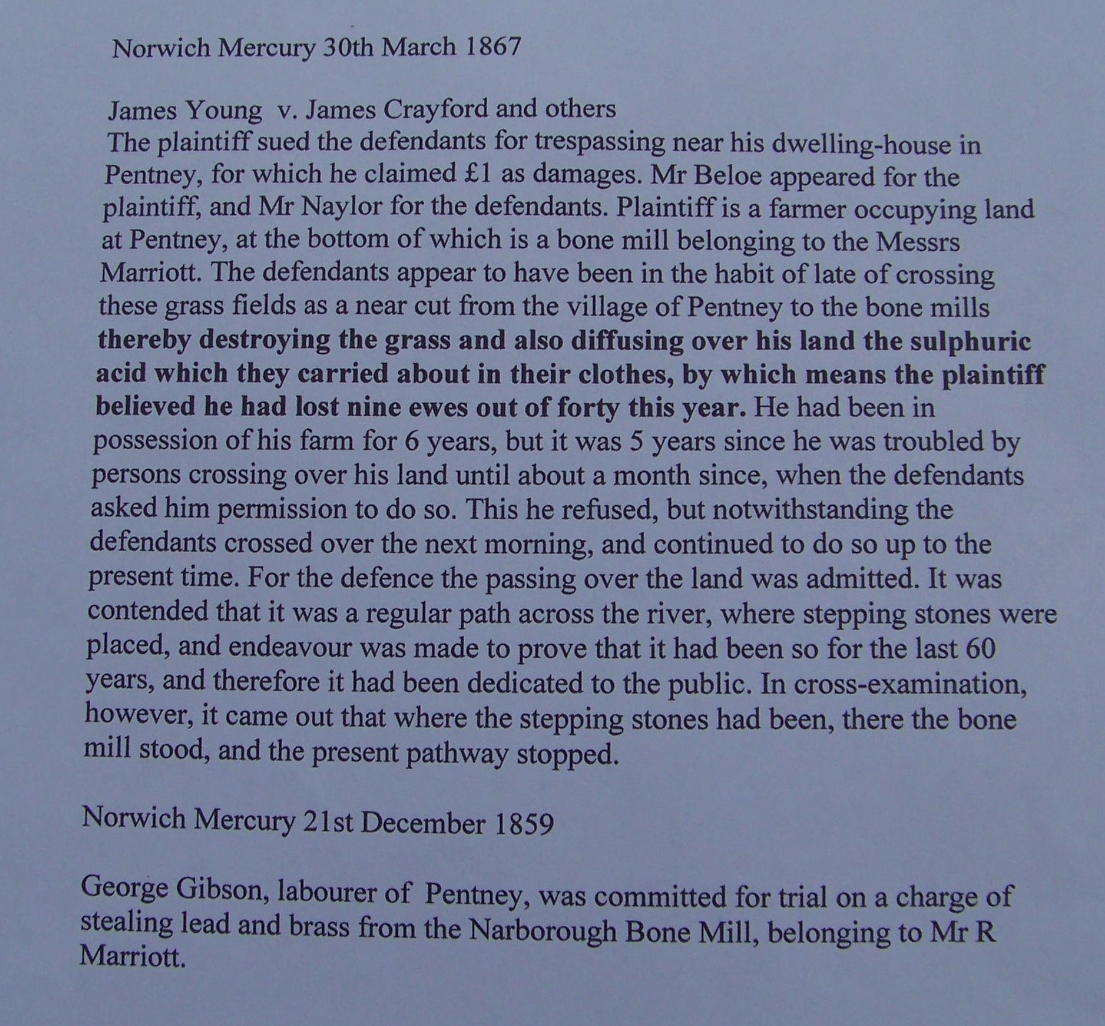
An article in The Norfolk Chronicle below mentions James Waters in a court case from 25/3/1867 about trespassing on farm land on his way to work at the bone mill. There is also an article about the same case in the Norwich Mercury which says sheep were killed by acid spread from the trespassers boots, but it doesn’t mention James by name.
Bone Mill Employees Bone Grinding & Boiling Boiling House


George Garrett bapt 27/3/1831 in Pentney.
George Garrett was baptised on 27/3/1831 in Pentney, son of Robert who was a Farm Labourer born in Hilgay, and Sarah born Holme Hale. George’s Father Robert dies in 1863 aged 79 in Pentney.
In 1841 George's parents lived in Doles Cottage, Pentney, but George age 10 and brother Robert, 19 are both on census records living and working on a farm in Pentney as agricultural labourers.
10 years later George is living at Doles cottage with his parents, but on census records no occupation is listed. Also living there is a lodger, John who was a Shepherd, born in Pentney. Living in the previous property on the census list is James Waters, Bone Boiler, living at Doles End Green, presumably next door.
On 29 July 1854 George aged 23 married Catherine Holland aged 19 at West Bilney where Catherine was from, on their marriage certificate they were living at West Bilney, George was a labourer.
In 1861 they live in Crisps Cottages, Pentney with daughter Ann Maria age 3 and Sarah Elizabeth aged 1, both born in Pentney. George now works as an Agricultural Labourer.
10 years on in 1871 George age 39 is living in Crisps Building, Pentney with wife Catherine and 5 children. George is now working as a bone boiler, presumably at the bone mill. Daughter Ann Maria is living and working aged 13 as a general servant for a Draper and Grocer in Pentney.
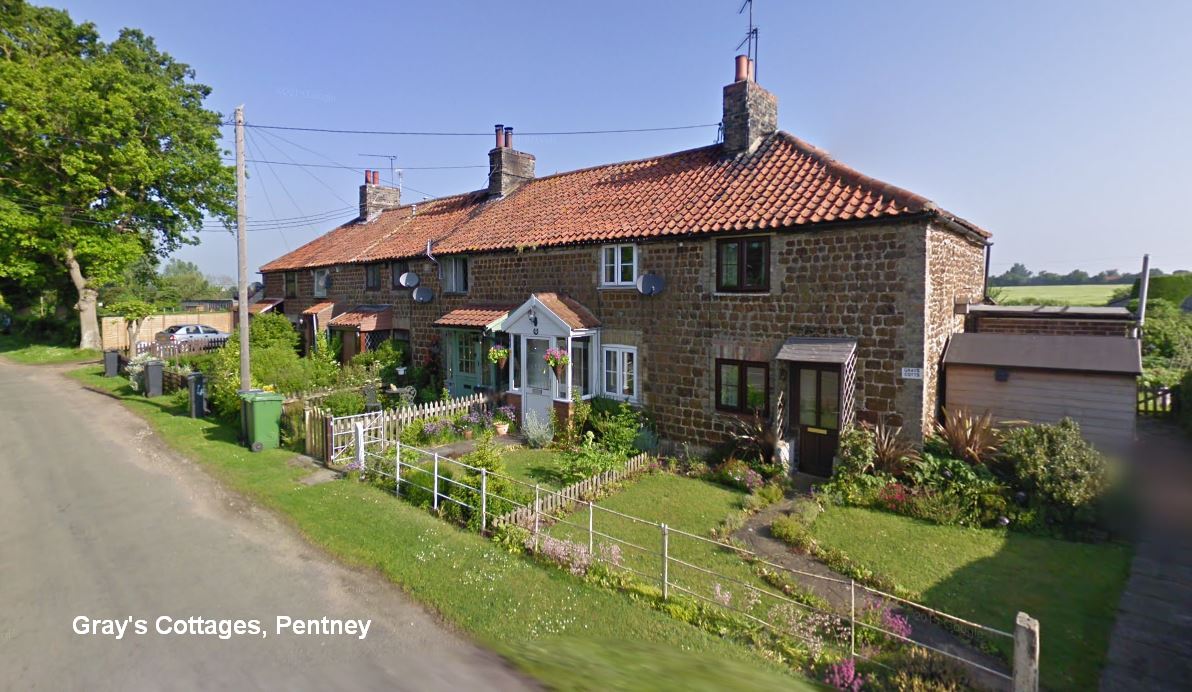
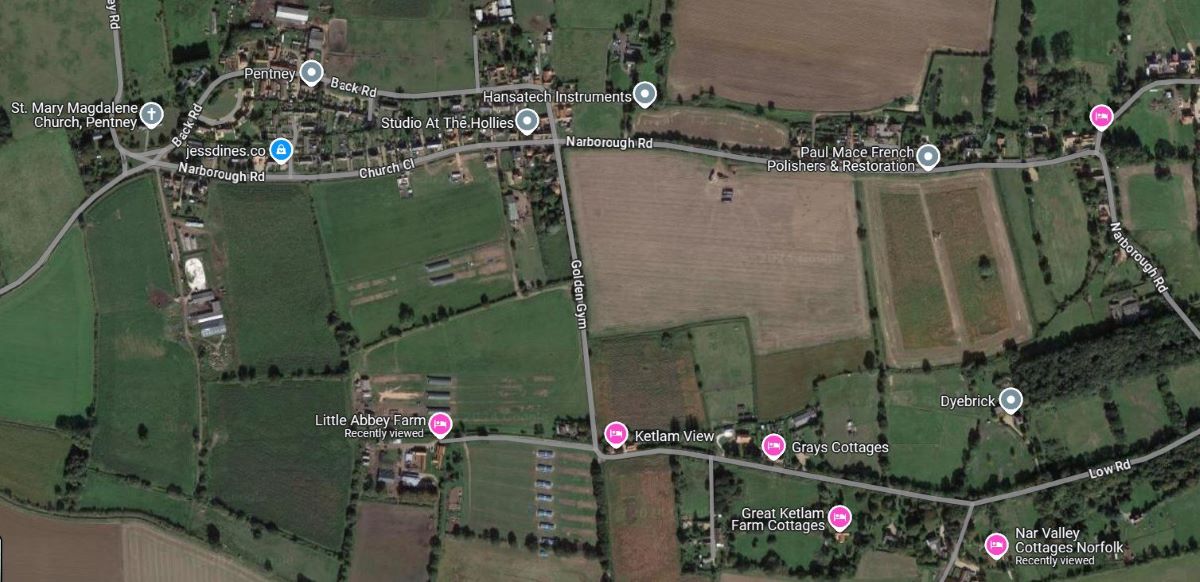
The map below shows that Crisps Cottages, off Low Road (pictures below) is only two fields from the bone mill, so George probably walked to work over the fields.
In 1881 George is back working as an agricultural labourer. The couple now have 2 more children and are living in Hastings Cottages, Pentney.
Daughter Sarah Elizabeth, known as Elizabeth, is listed as a Cook/domestic servant, but unemployed at that time. Son Walter aged 18, John 16, and daughter Mary aged 13 are all listed as agricultural labourers.
George dies in 1883 aged 52, buried at St Mary Magdelaine Church, Pentney, see picture of gravestone which is just inside the Churchyard on the left. George's death certificate states that an inquest was held and he was working as a sawyer, see death certificate and transcript. A newspaper report gives details of what happened at his death, see image of article.
His widow Catherine remarried in 1893 to Robert English, a Groom born in Boughton. They lived in Tilney All Saints in 1901 and she passed away in 1923 aged 87.
Bone Mill Employees Bone Grinding & Boiling


Trailers
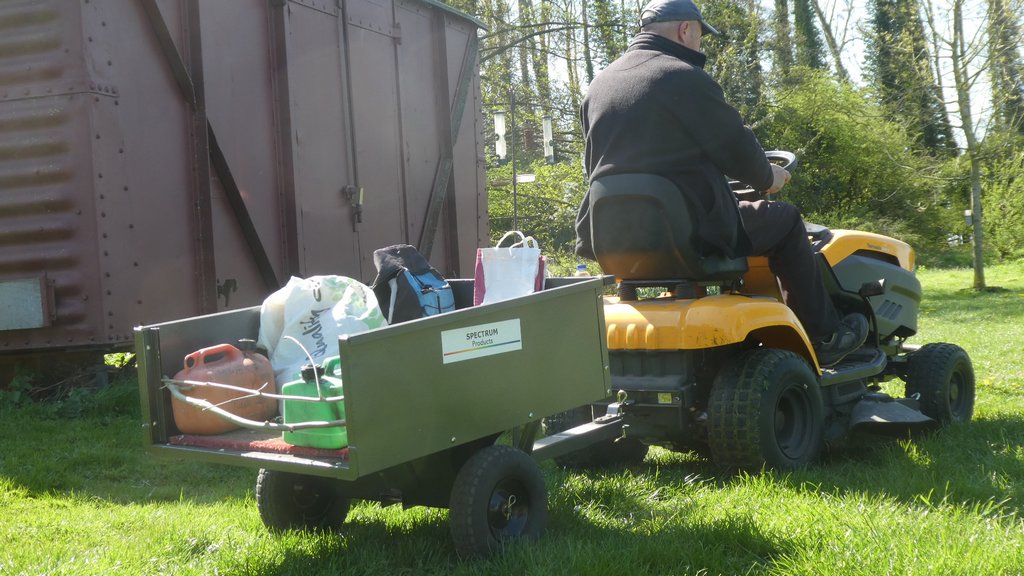
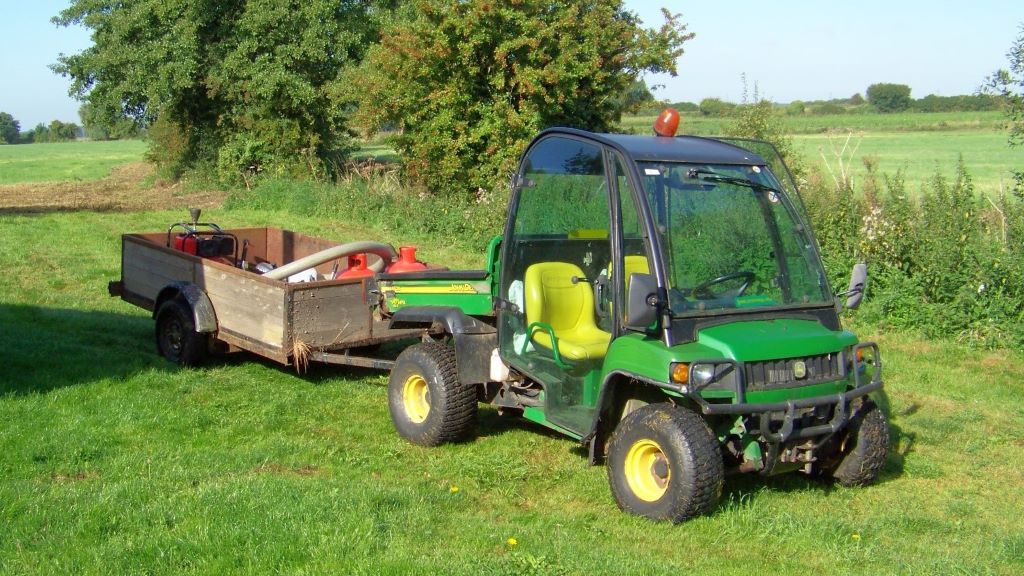
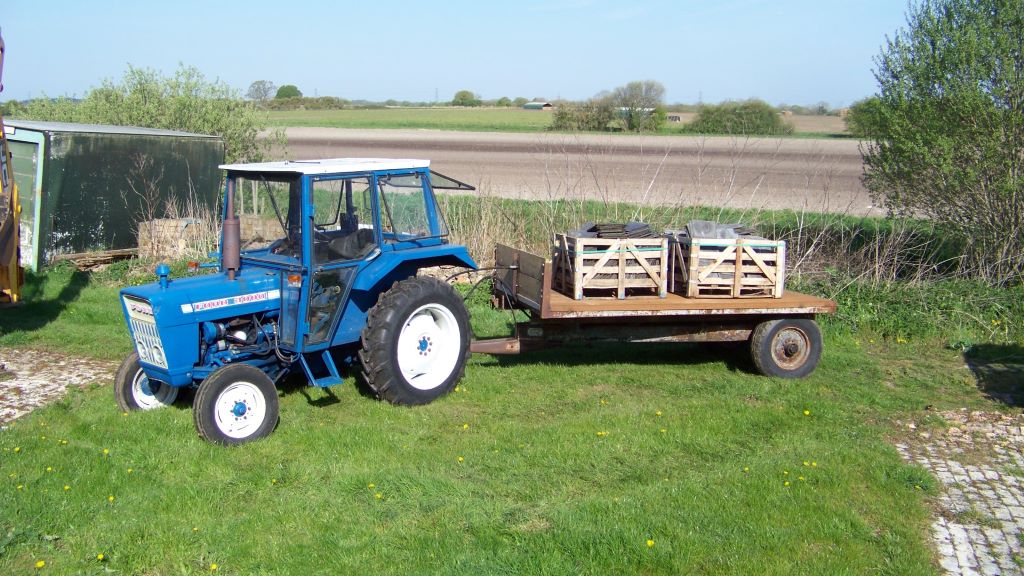
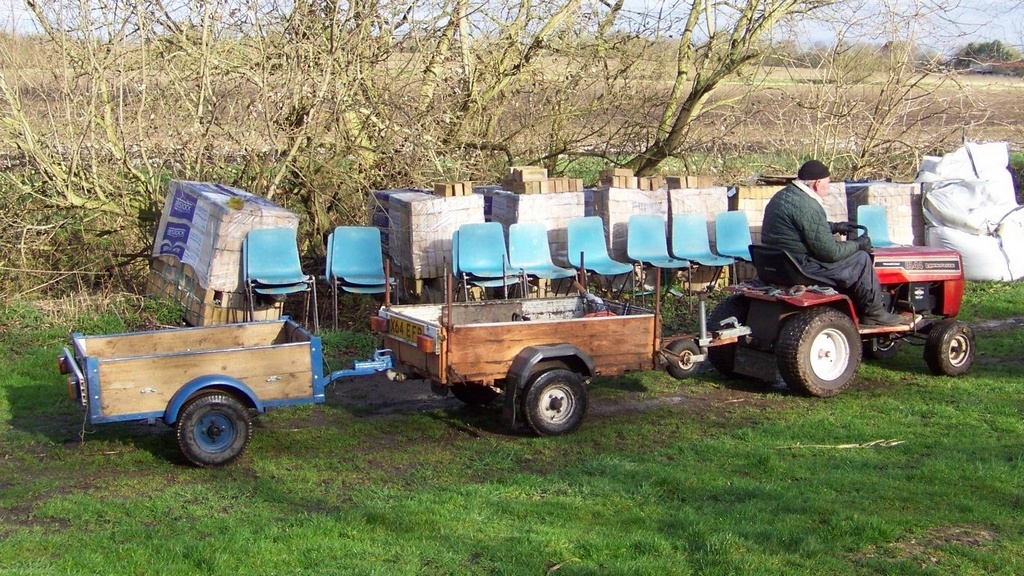
Three trailers are used at the mill, a small one towed by our mower, one with seats towed by the Gator truck, and a heavy duty trailer for use with the tractor from The Maltings. All are kept in a secure location and taken to the mill when needed.
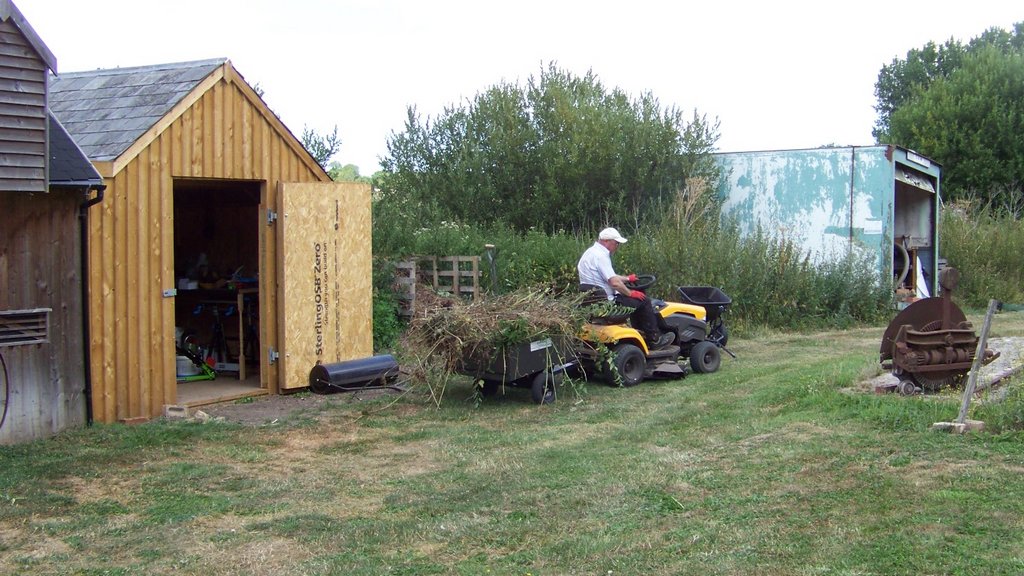
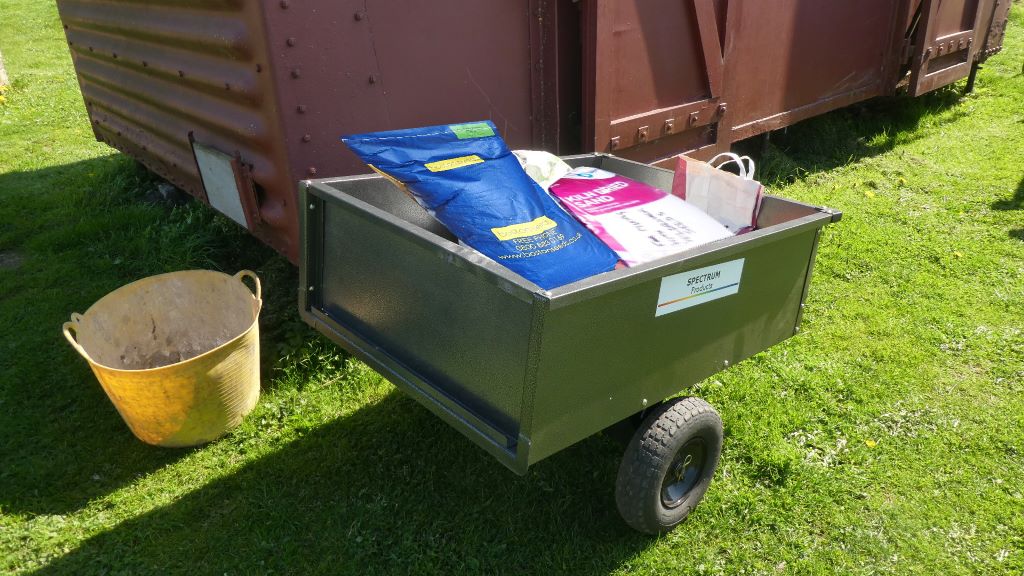
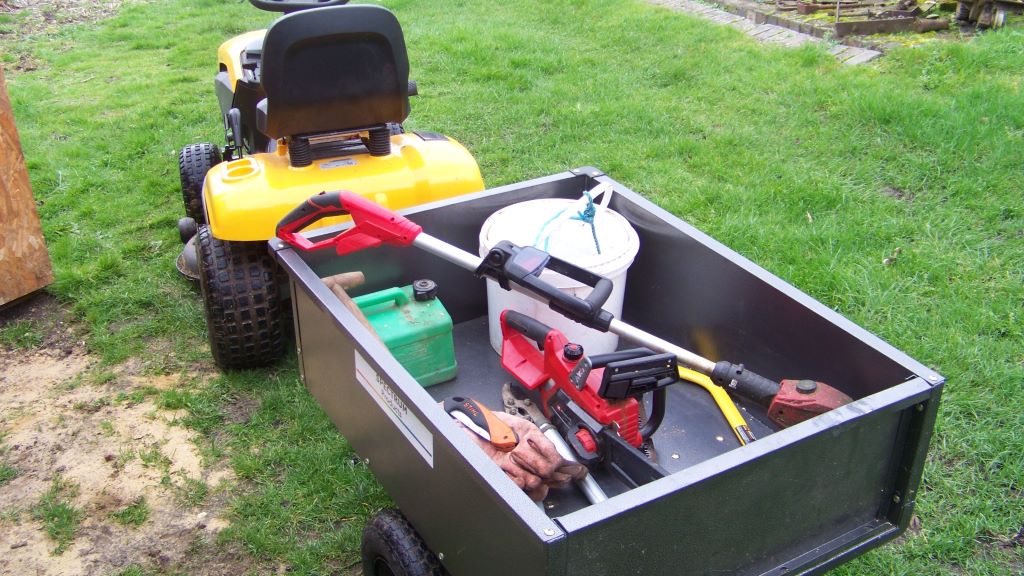
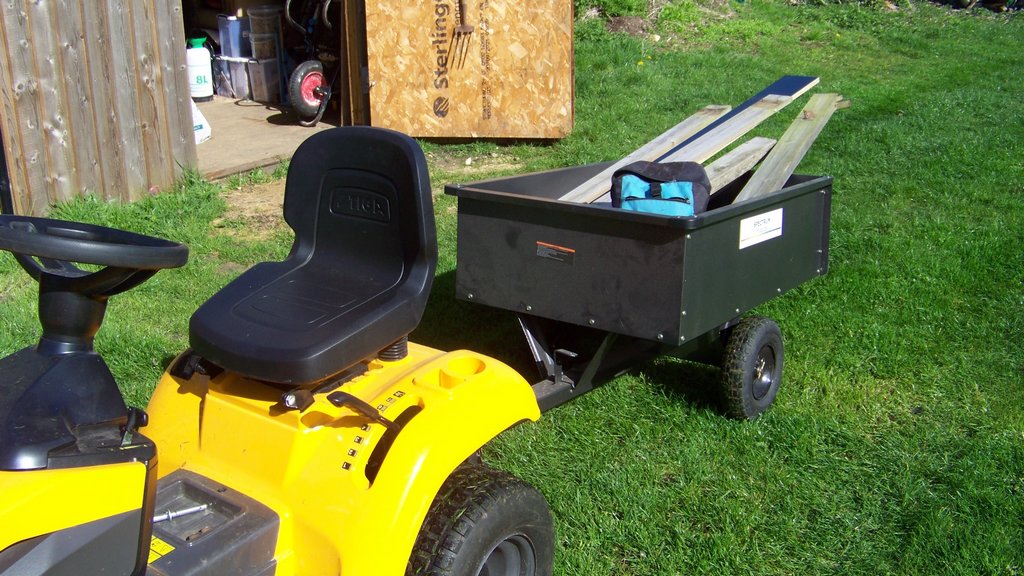
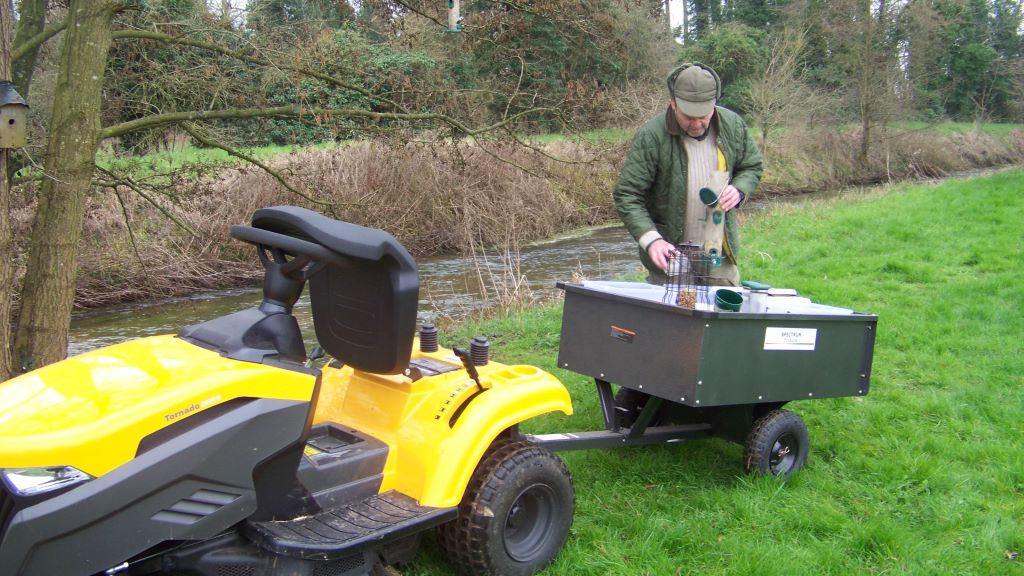
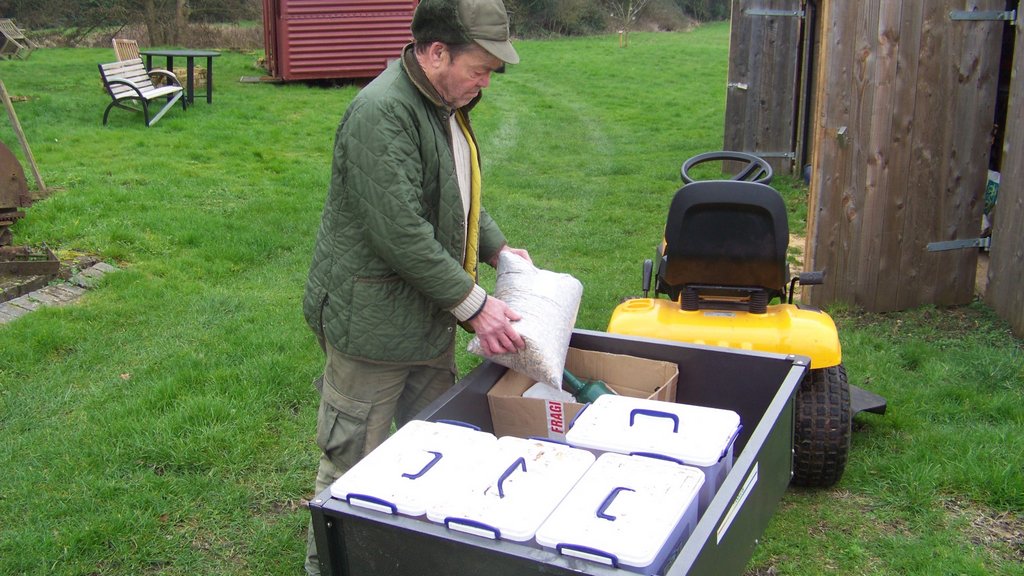
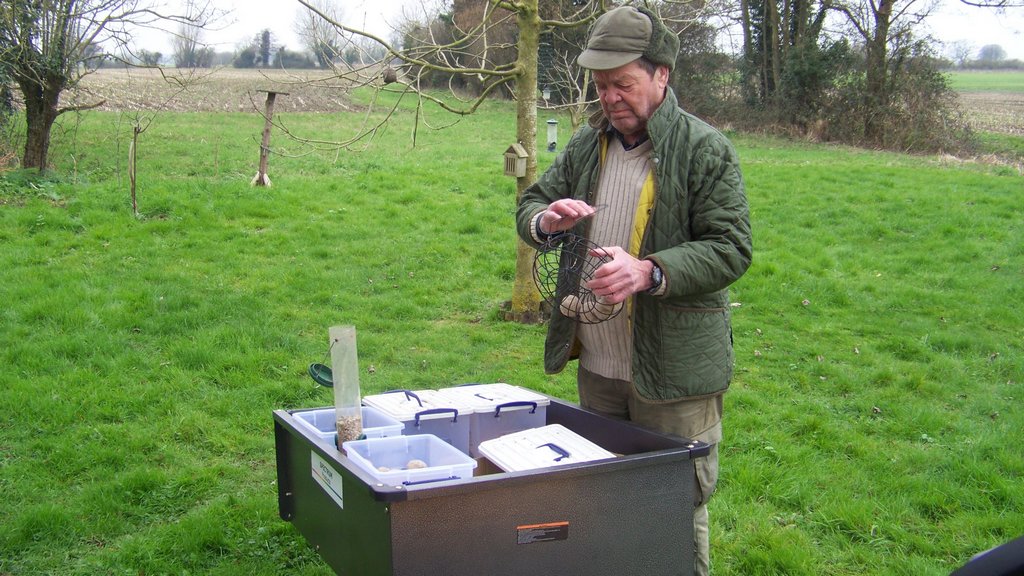
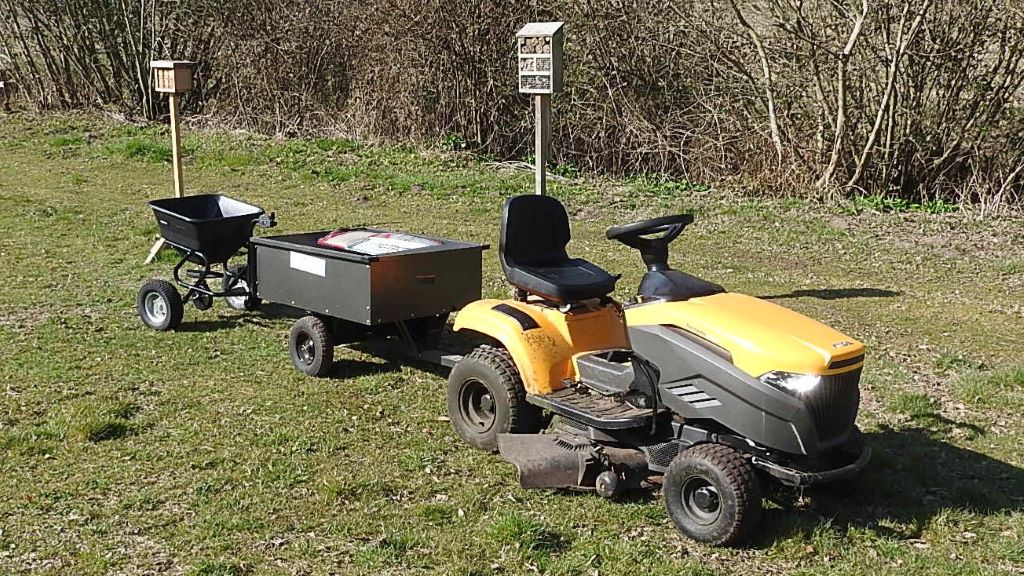
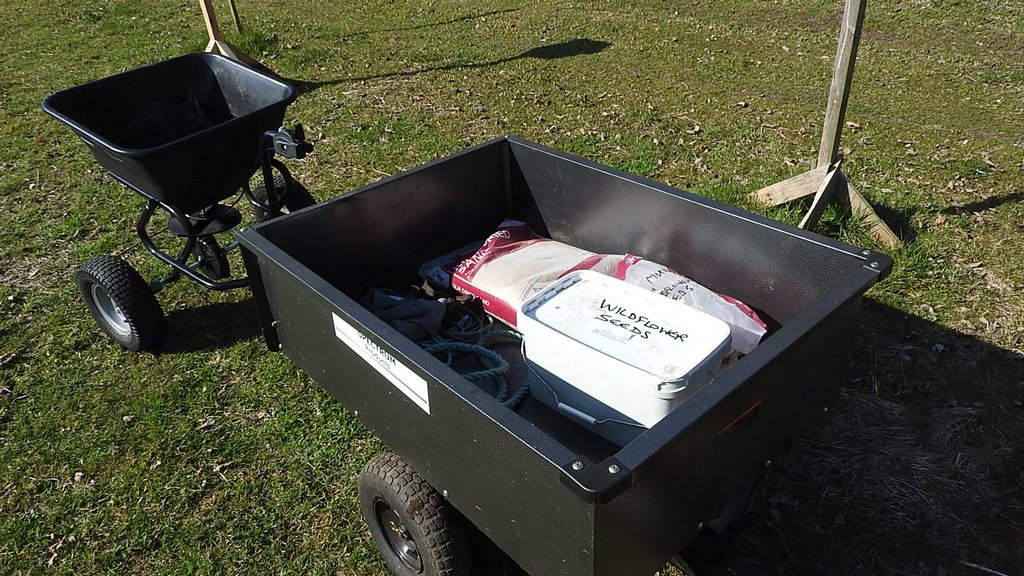
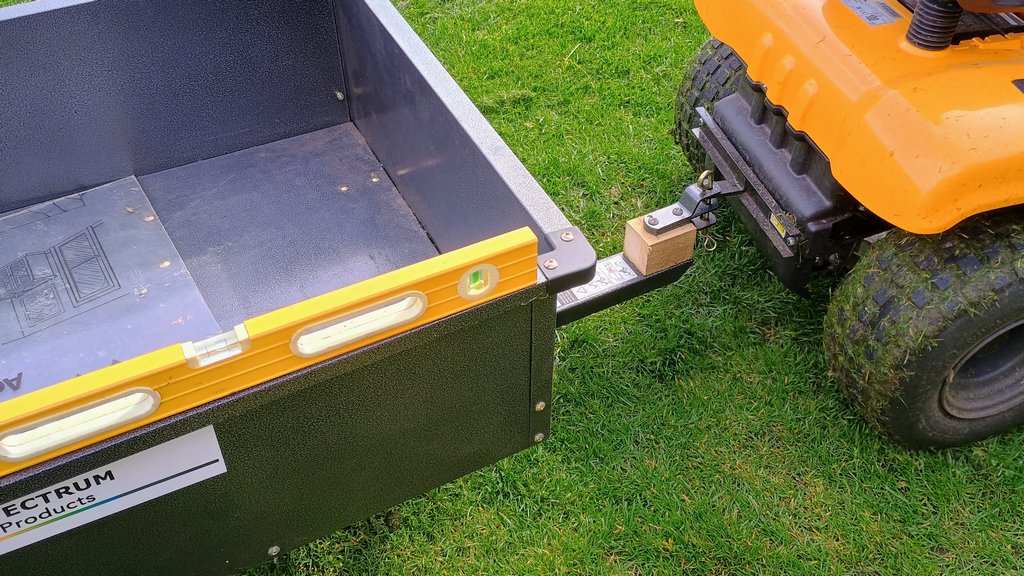
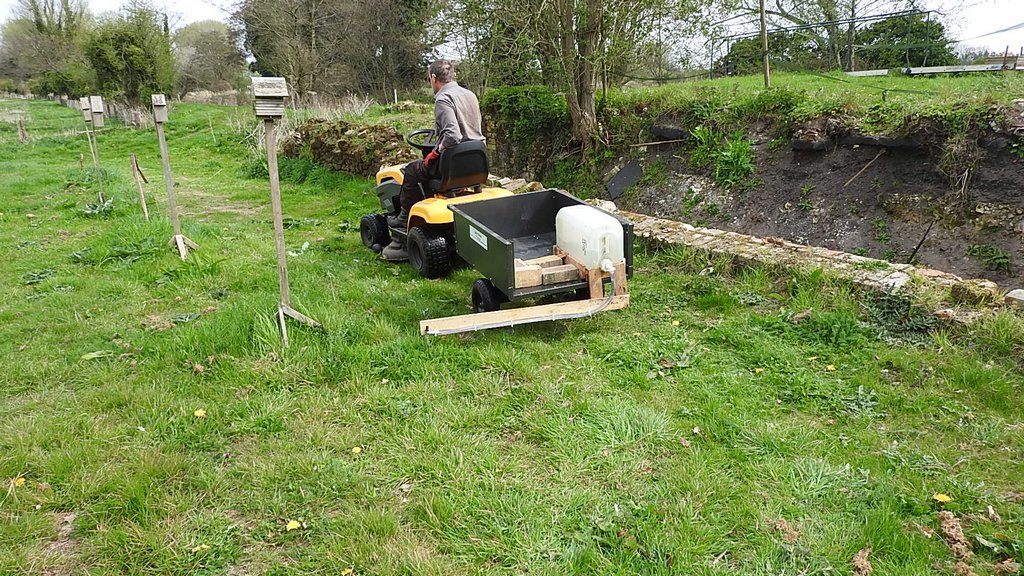
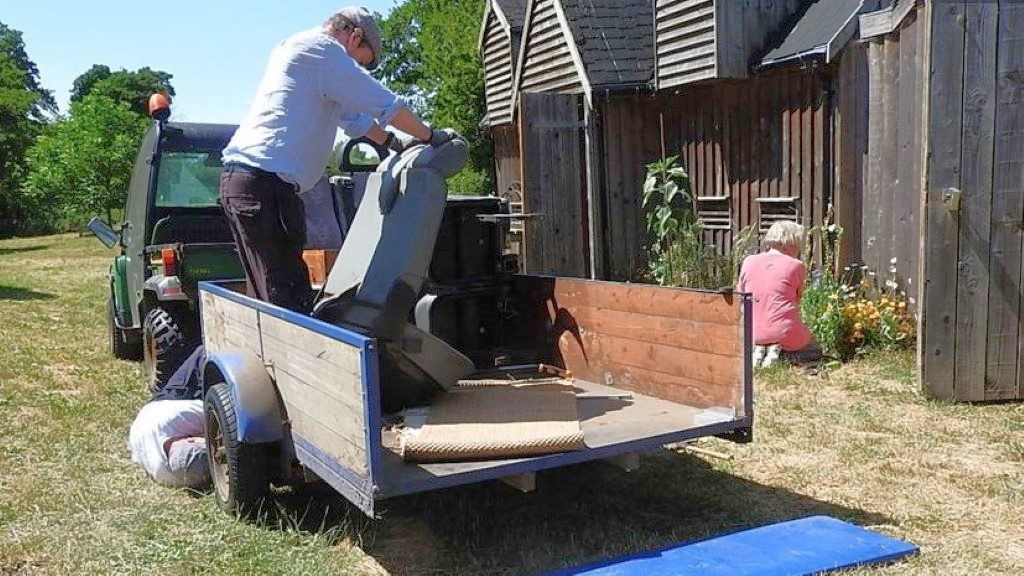
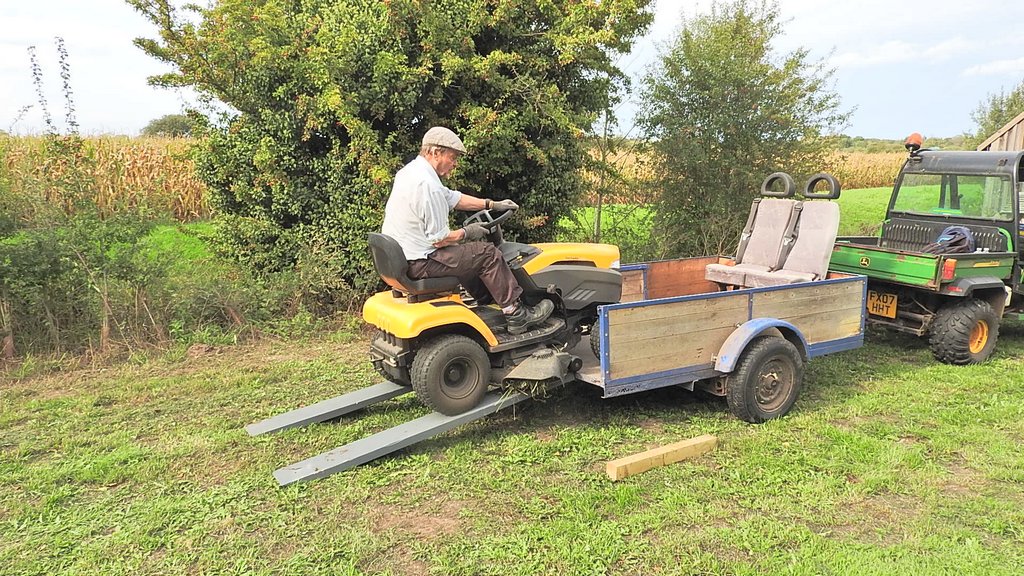
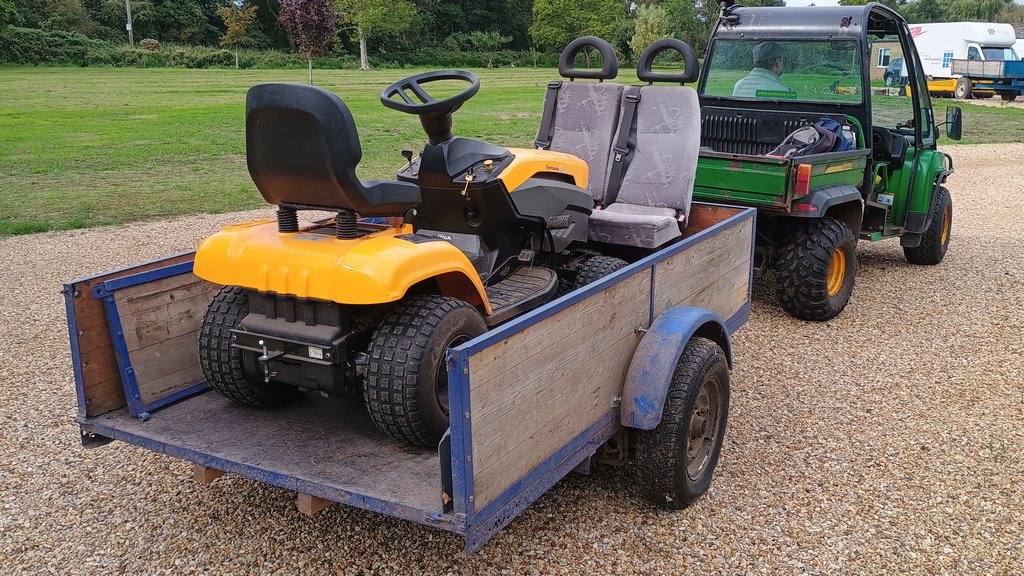
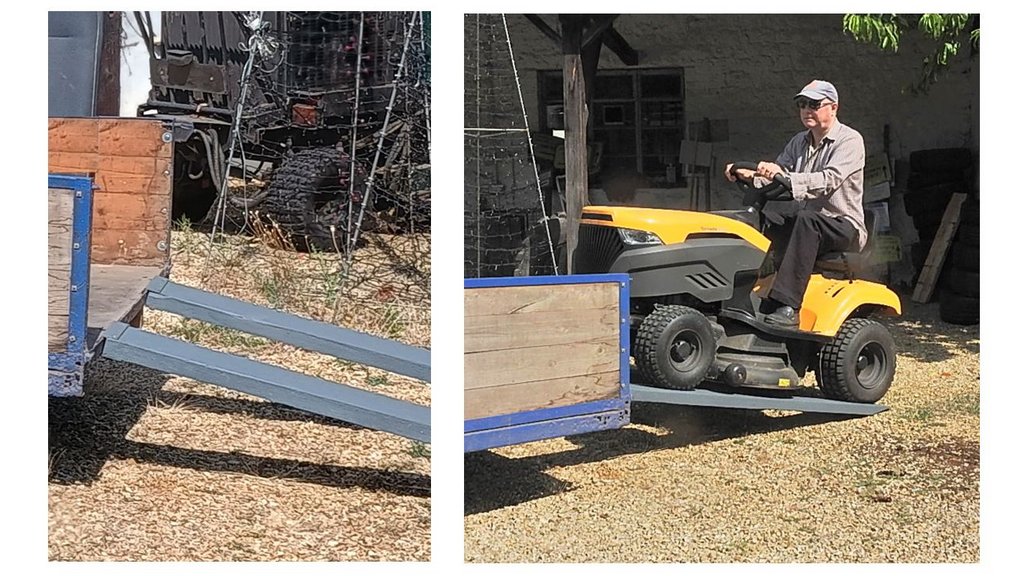
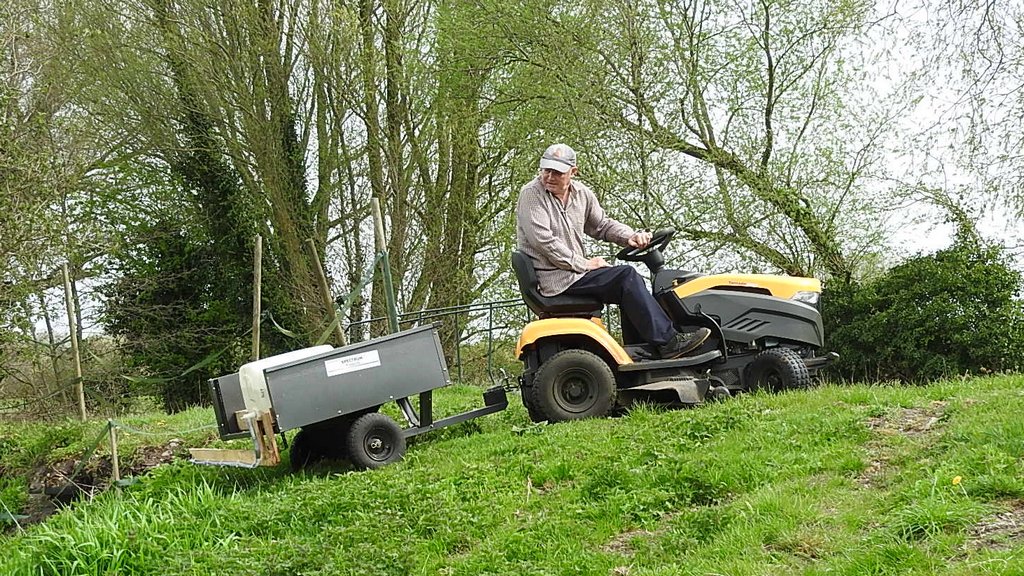
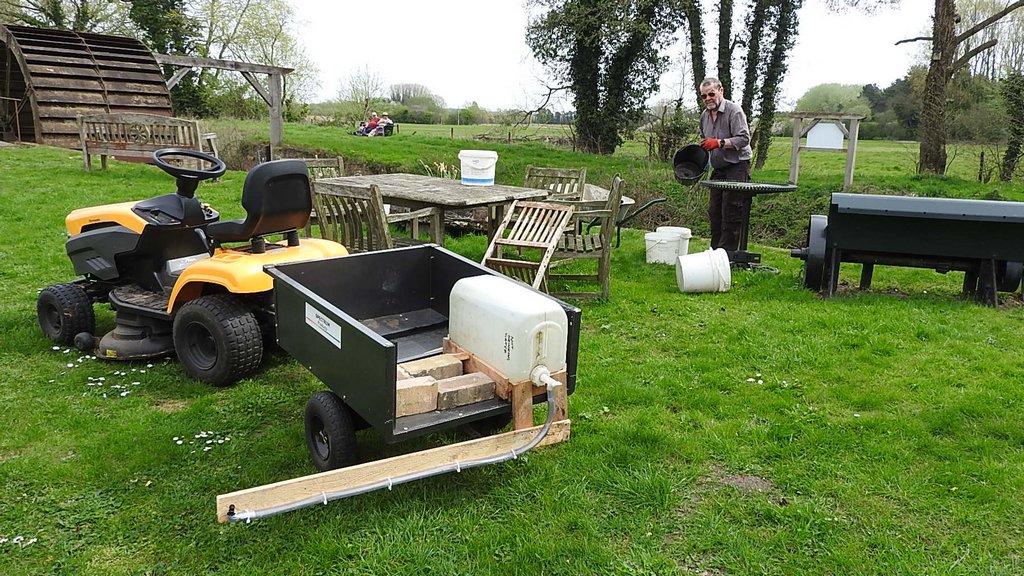
Our small mower trailer was bought with our wildflower meadow grant in 2022, along with a seed spreader and roller for preparing, making and maintaining the meadow, all accessories are towed by the mower and were assembled on site. The trailer is used to take sacks of wildflower seed and sand from the shed to the meadow when sowing wildflower seeds (sand is mixed with seeds to show coverage and improve flow), this is done twice a year. This trailer is also towed around the mill for carrying garden tools and supplies when using the mower, also for carrying bulk bird food containers to fill bird feeders around the site. The trailer has manual tipping for emptying weeds into the compost bay. I used the trailer when I went to the mill on the mower with a few things and left the Gator truck behind for Eddie who joined me later. A towing hook was fitted to the back of the trailer so we can carry sacks of seed and sand around and tow the seed spreader behind it for re-seeding the meadow and grassing areas over, this was inspired by Frank who used to tow two trailers. A spacer block was made and fitted to the trailer hitch to make the trailer sit level when towed by the mower. In 2026 we made a water spraying boom to fit in the trailer for watering our meadow.
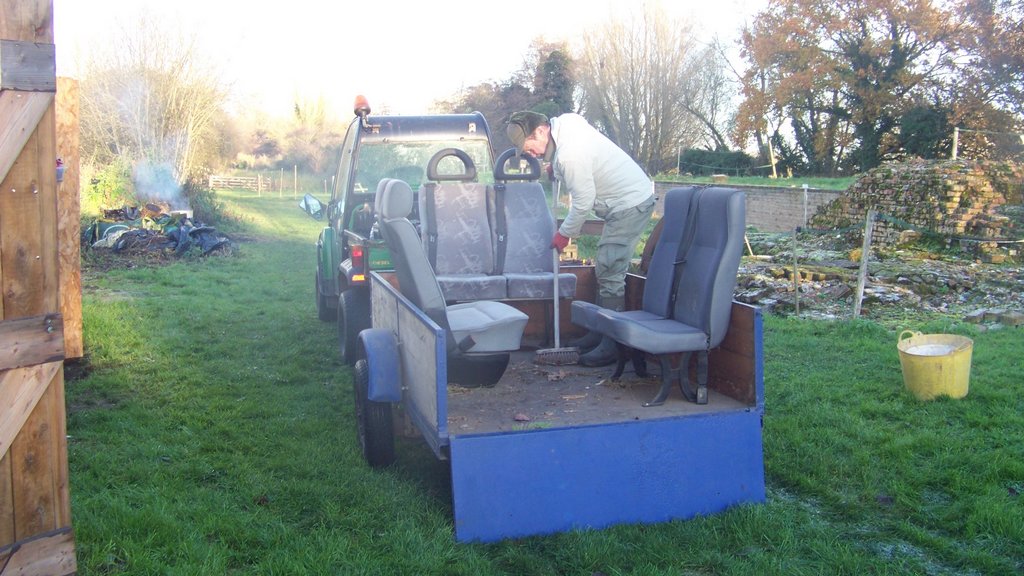
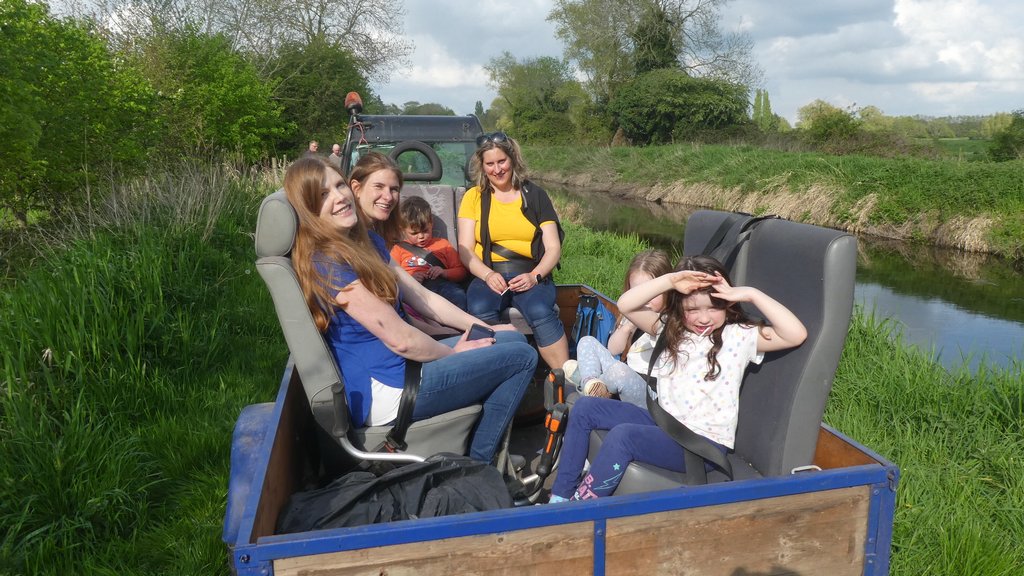
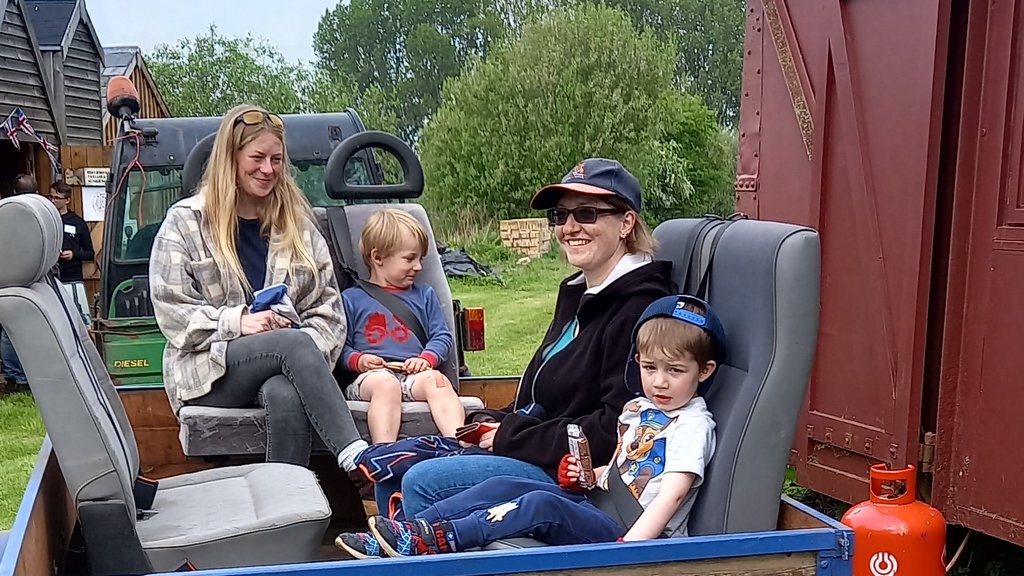
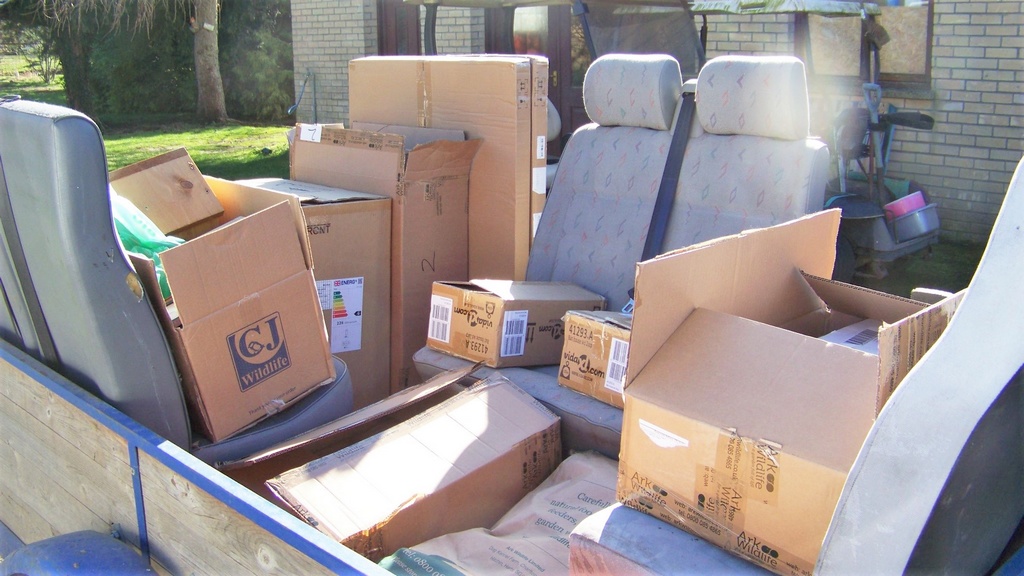
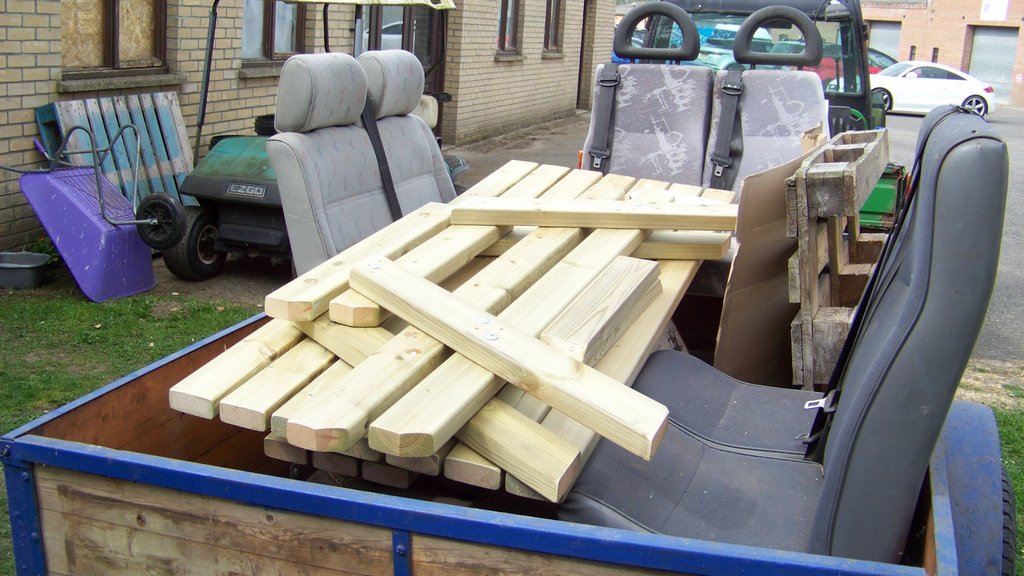
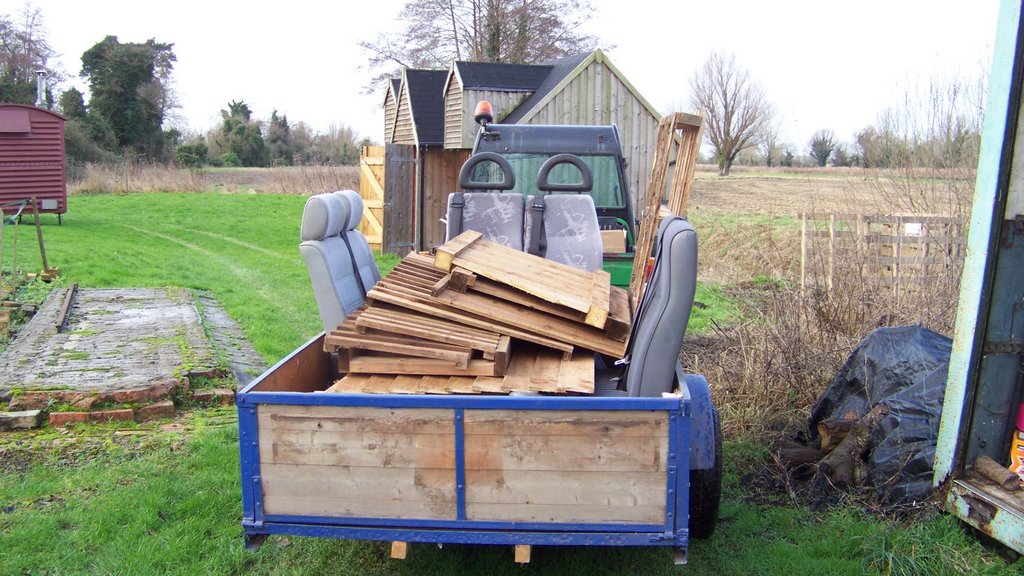
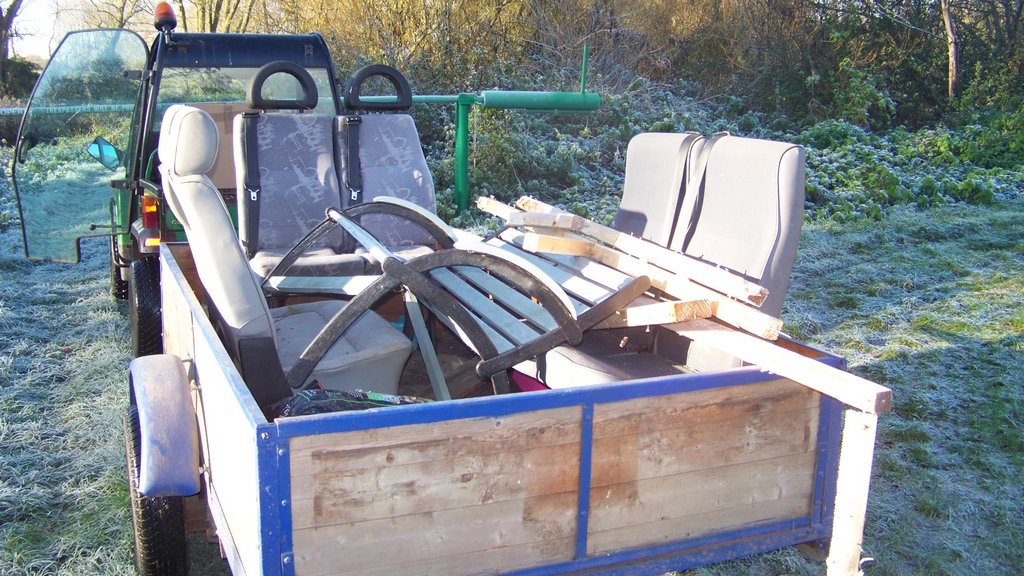
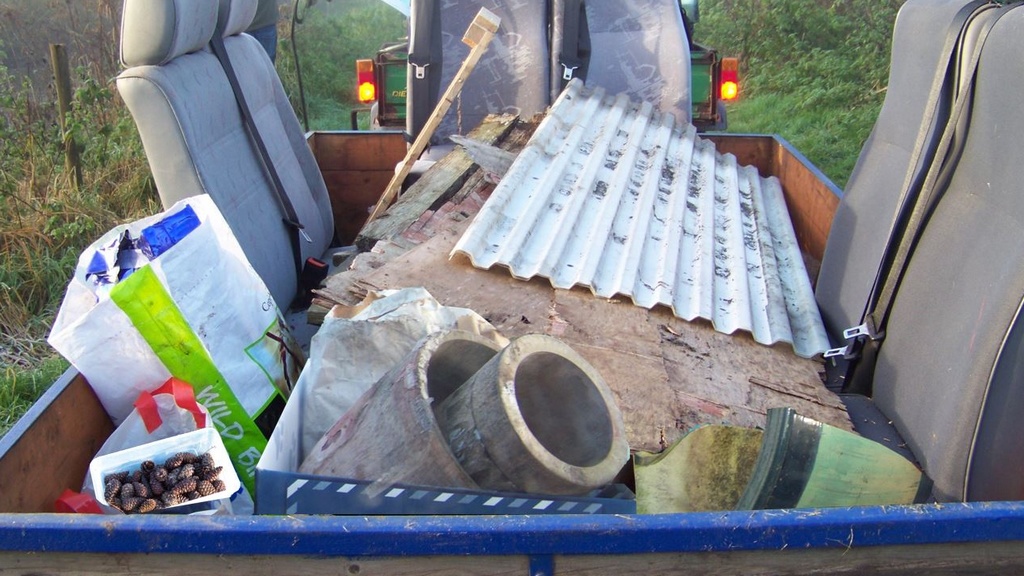
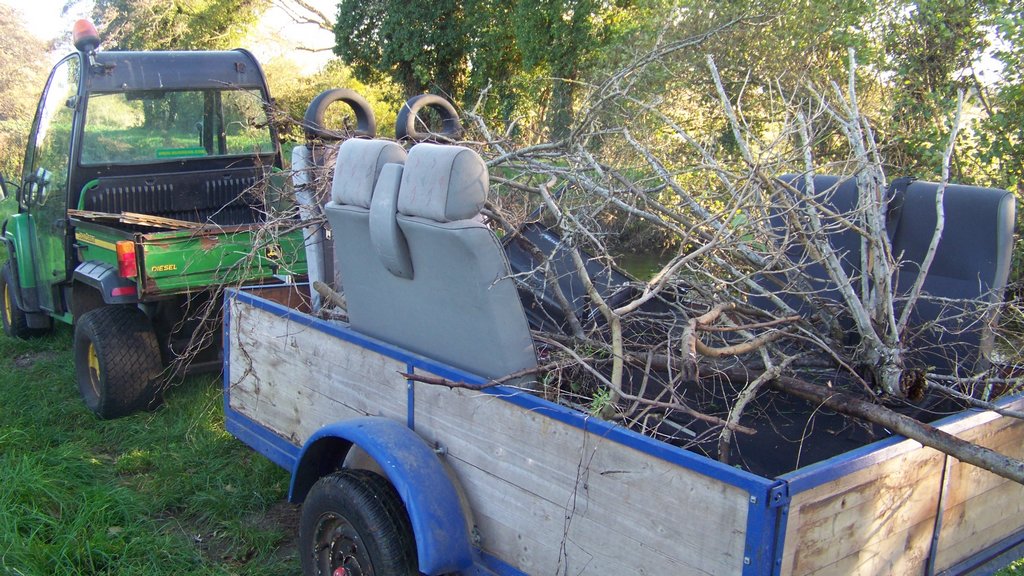
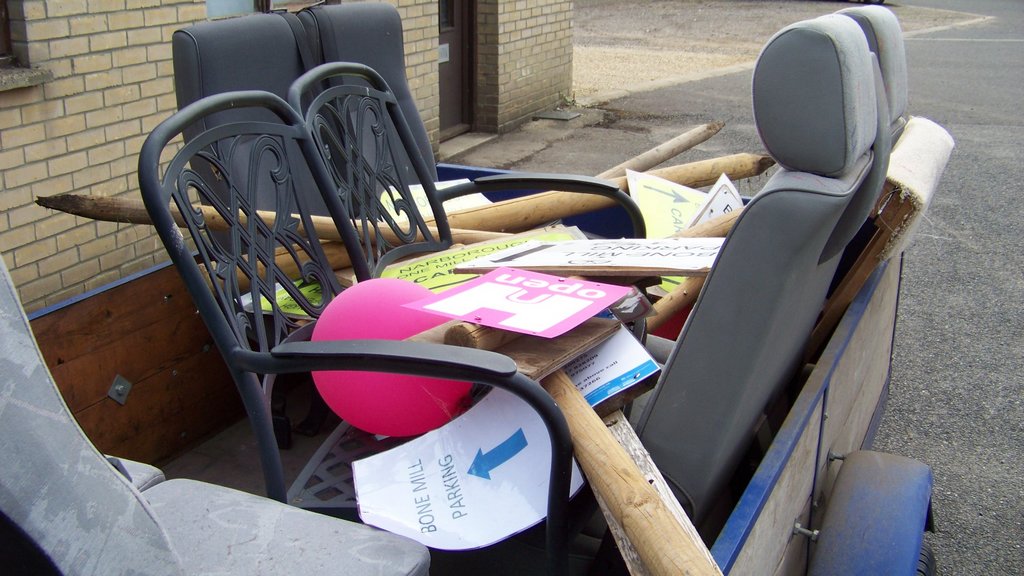
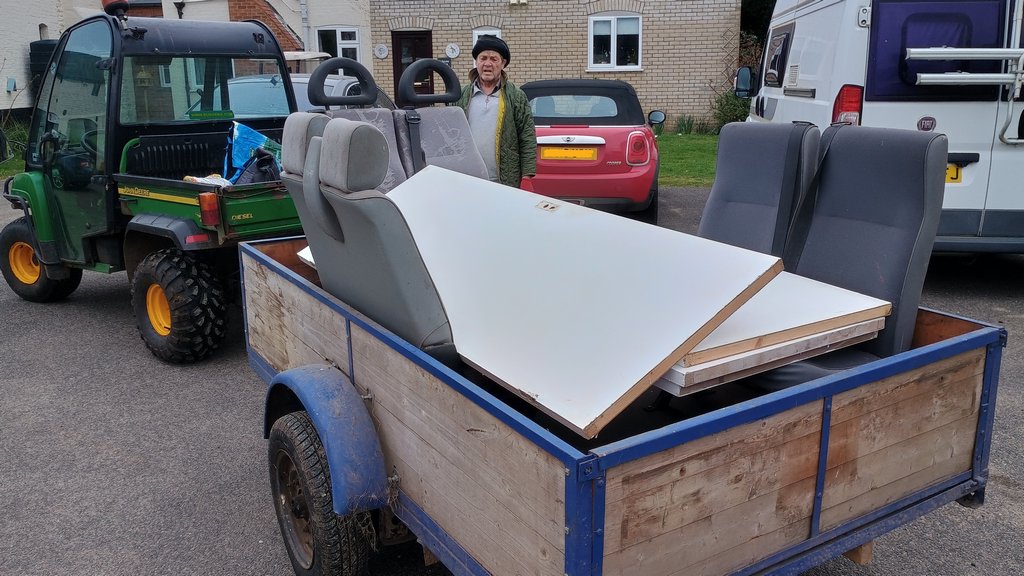
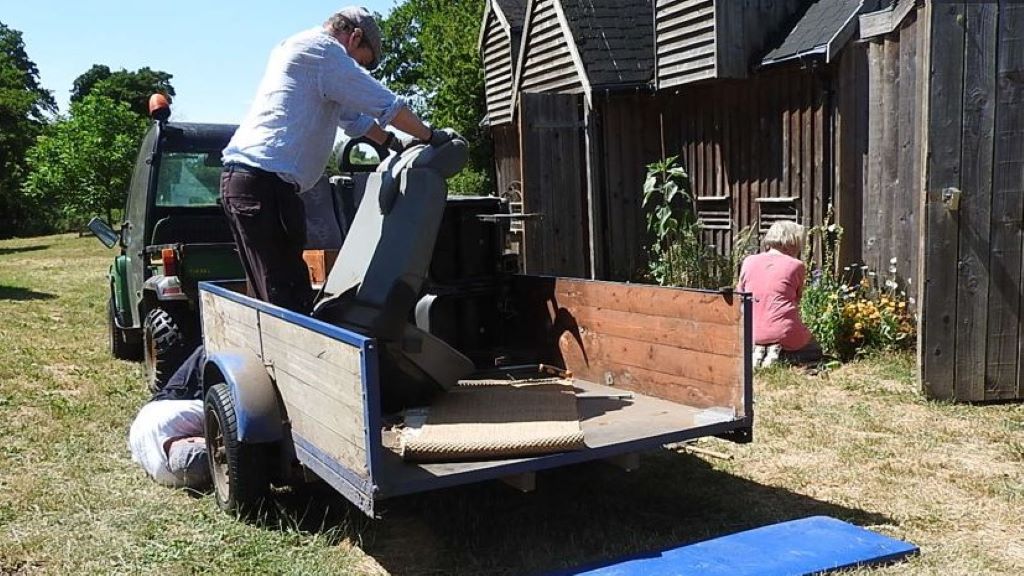
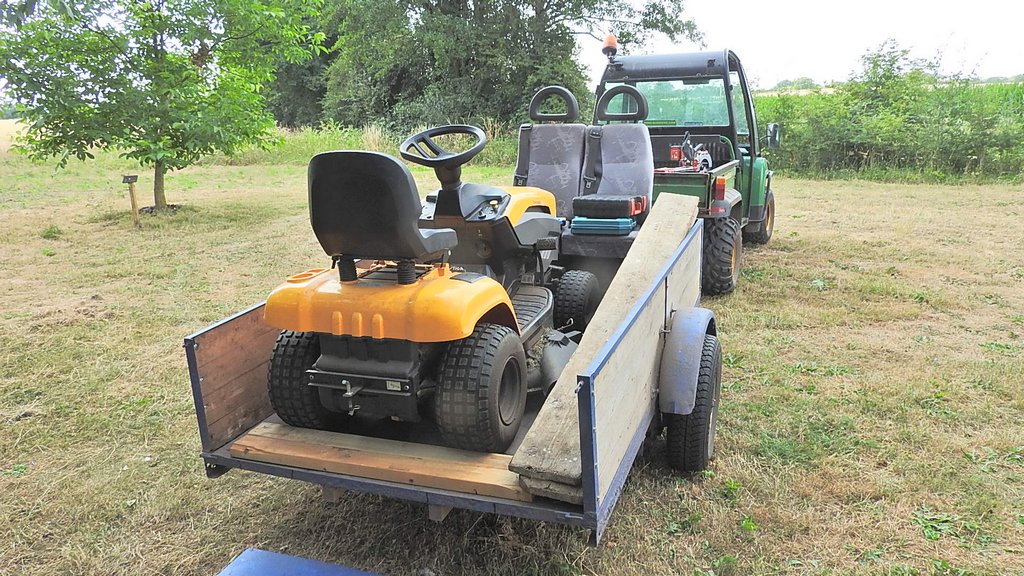
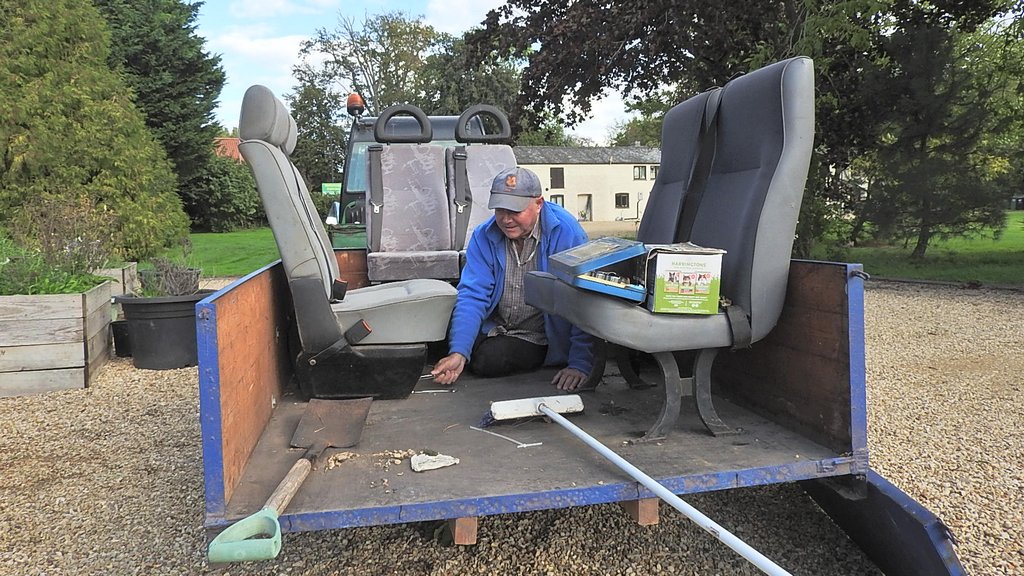
We got the Gator trailer in 2017, it was first used for work parties, setting up open days and canoe races at our barbecue. It was refurbished and had seats fitted in 2019 for transporting visitors along the riverside track from the car park to the mill on open days, as some people struggle with the 1.5 mile walk there and back. We also use it if we have big items like pallets or wood to take, or a large number of volunteers going to the mill. We used this trailer for taking all the boxes of grant funded purchases, as well as taking the picnic table and logstore. We brought back rubbish for the skip and empty boxes for recycling. We filled the trailer with a pallet and other materials for making the wildlife habitat. This trailer is also used to move large items around on site such as fallen trees and branches. We use the trailer to put car parking signs, riverside signs and a bench seat out for open days. In July 2026 two bench seats were removed so we can take the mower to the mill in it to save petrol, seats will be refitted for open days.
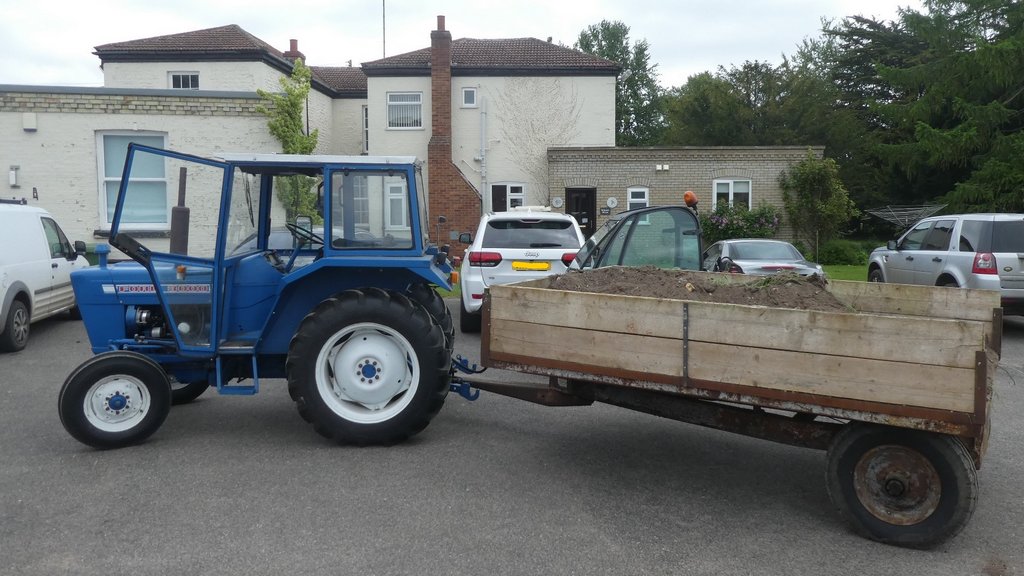
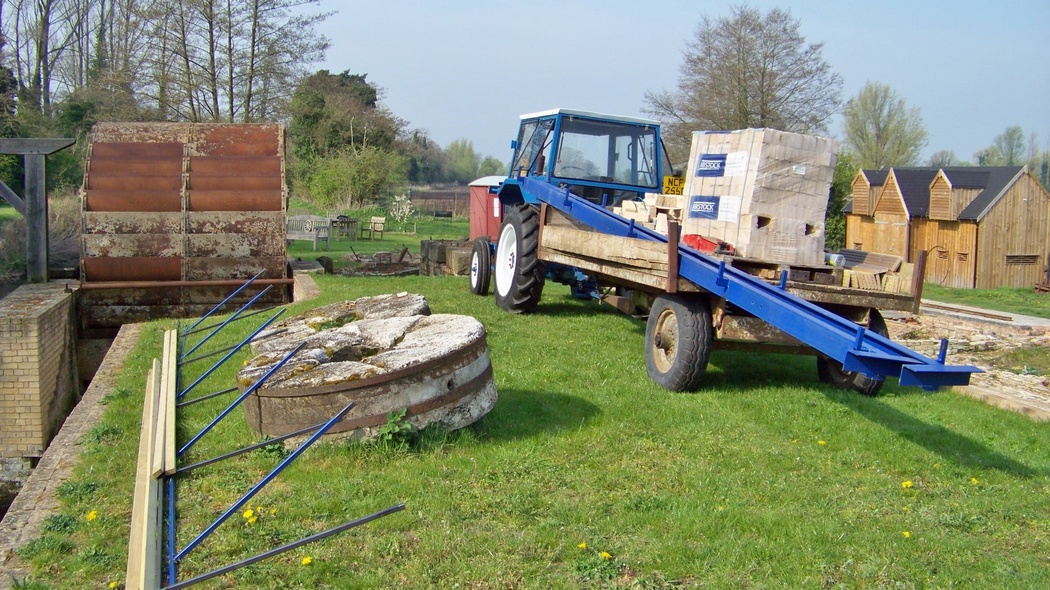
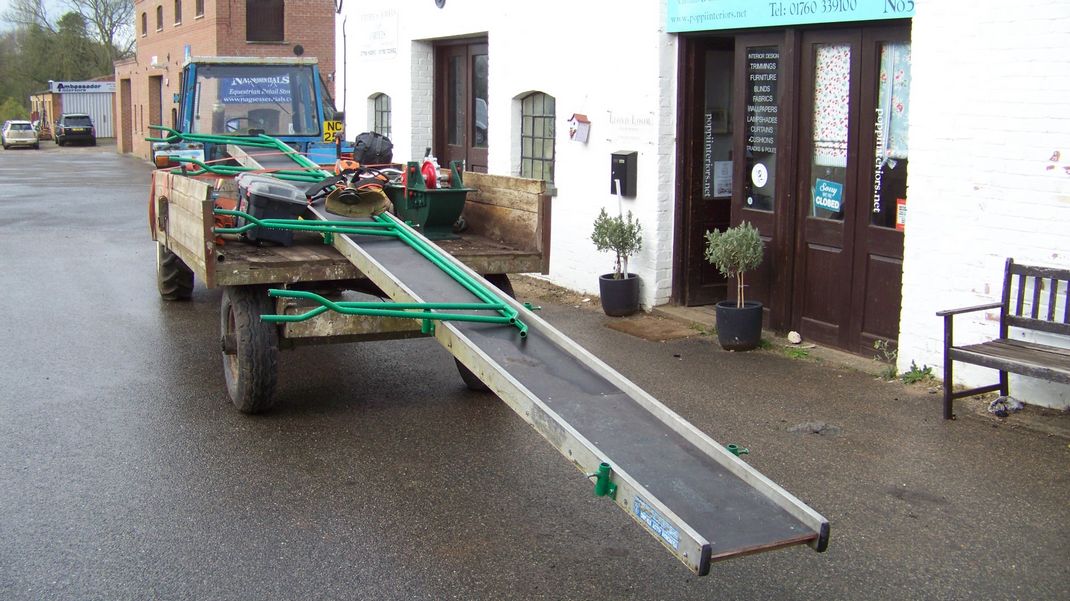
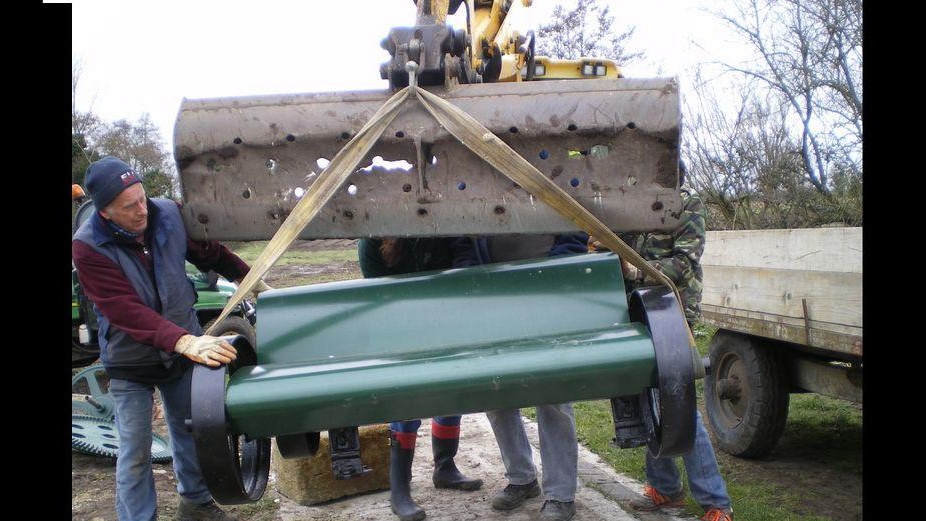
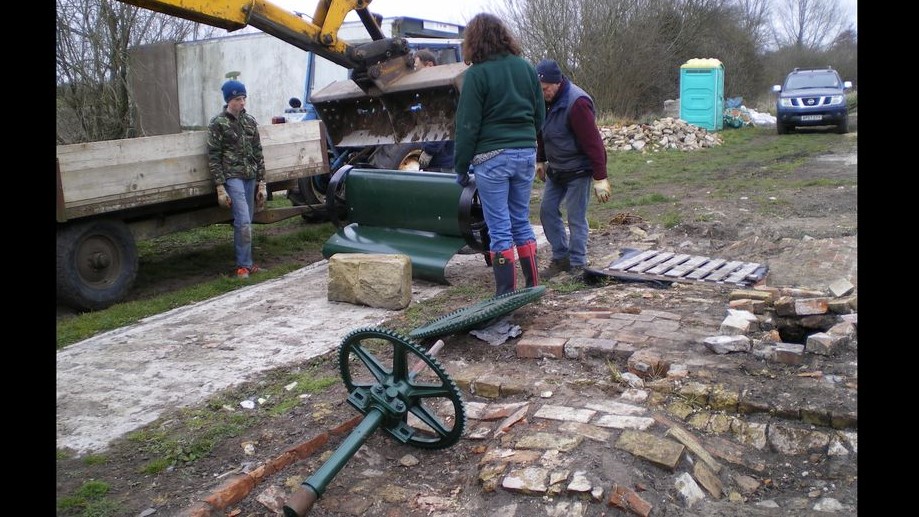
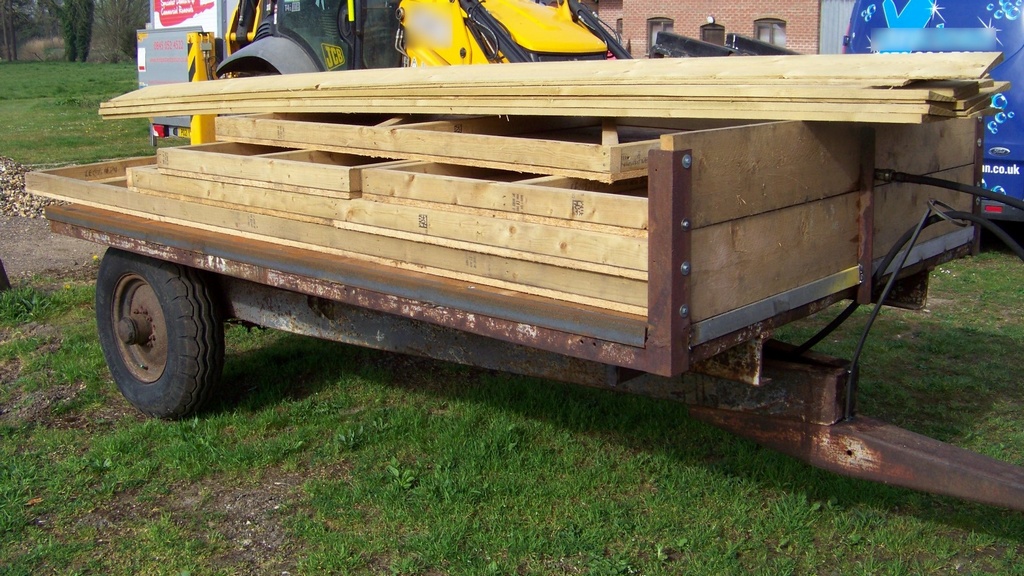
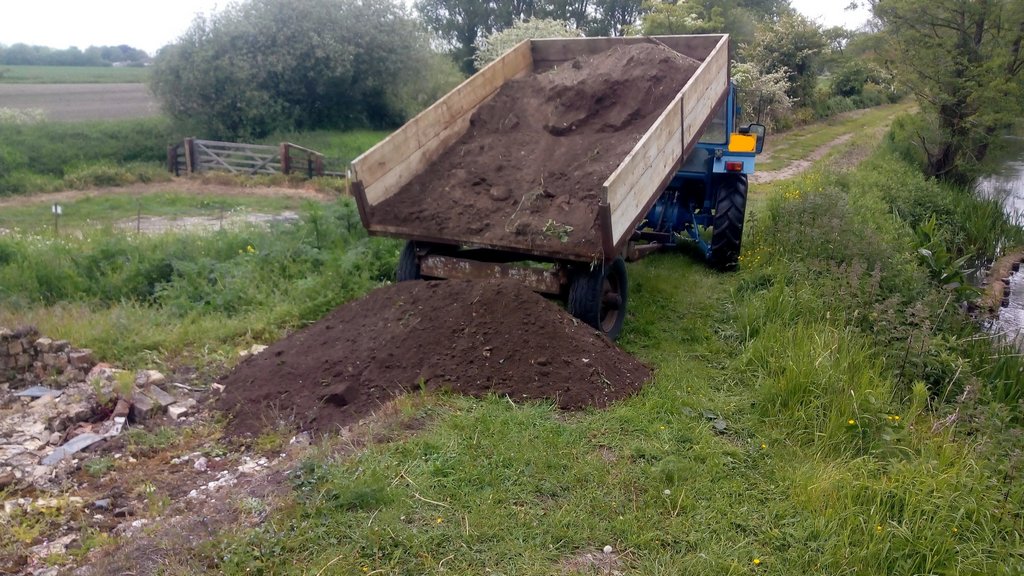
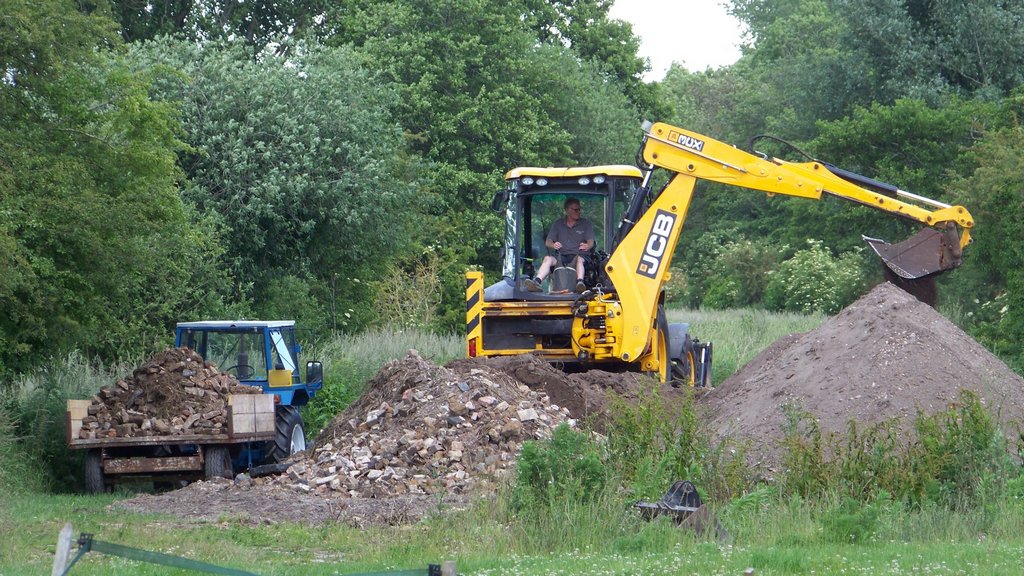
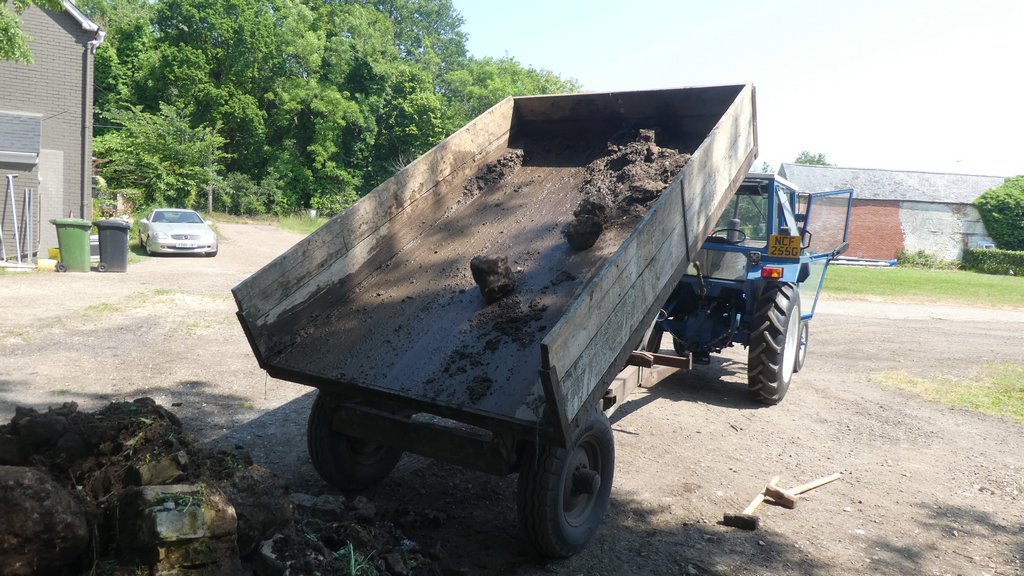
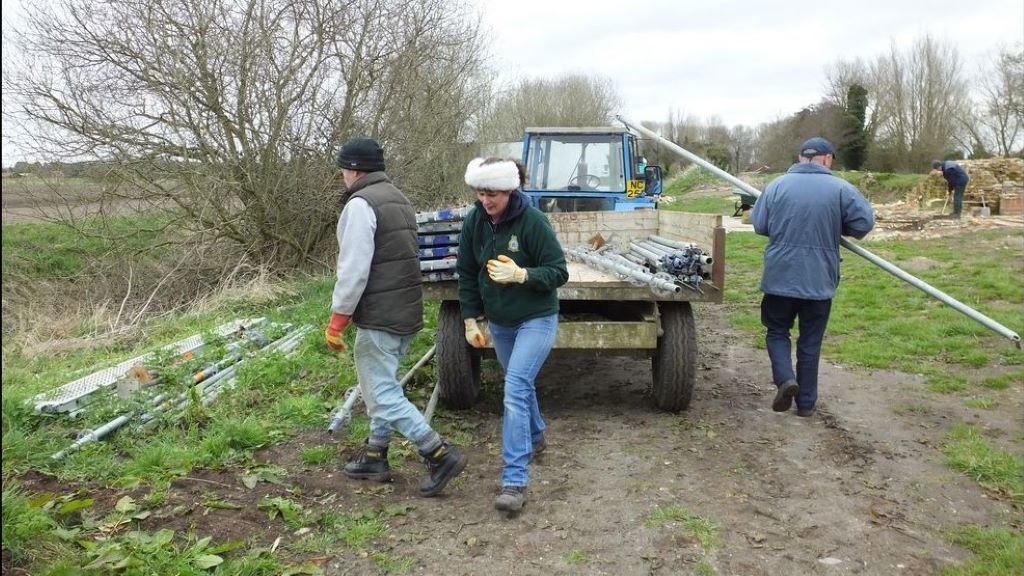
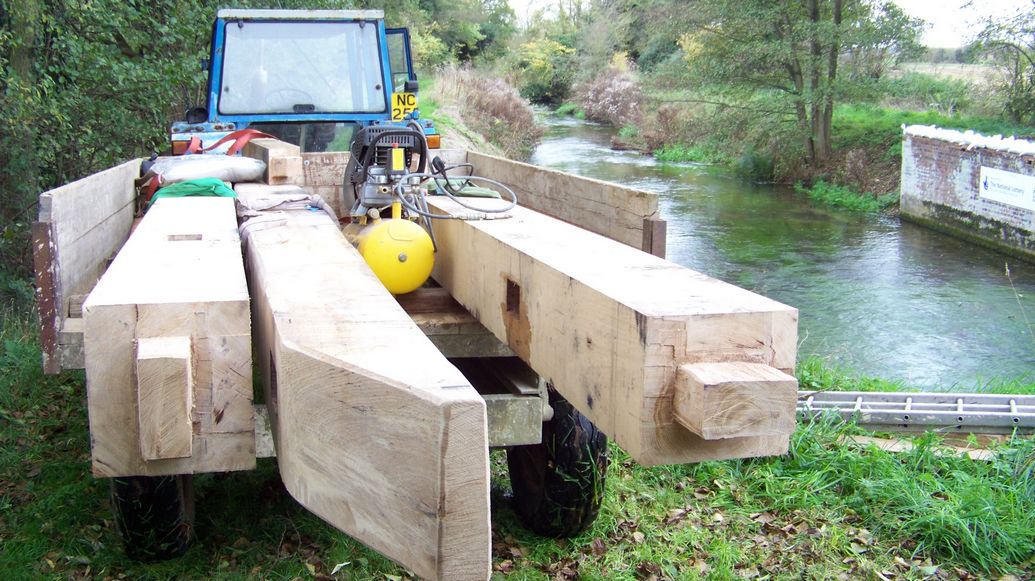
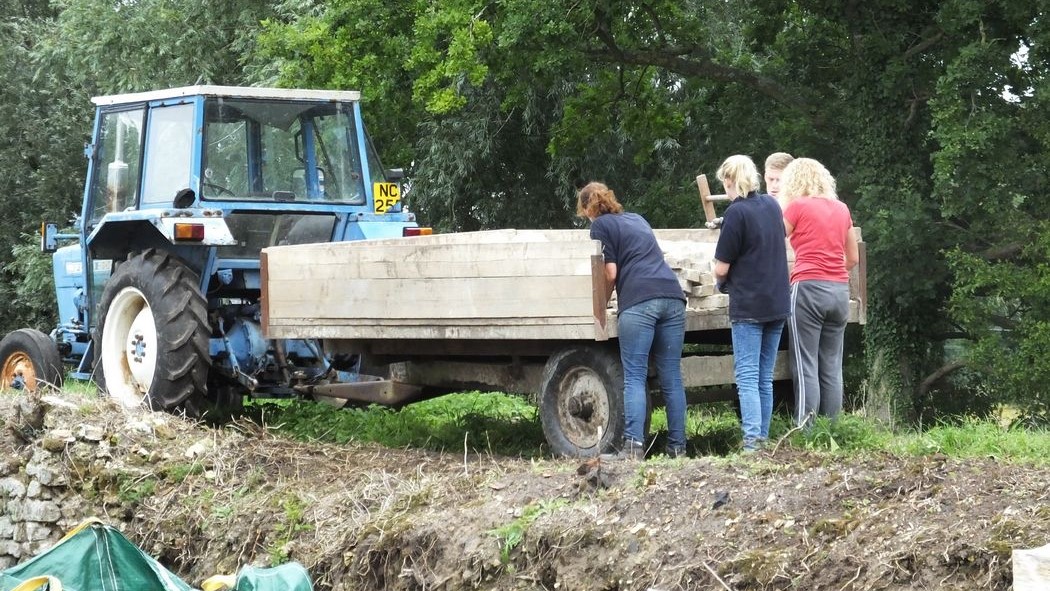
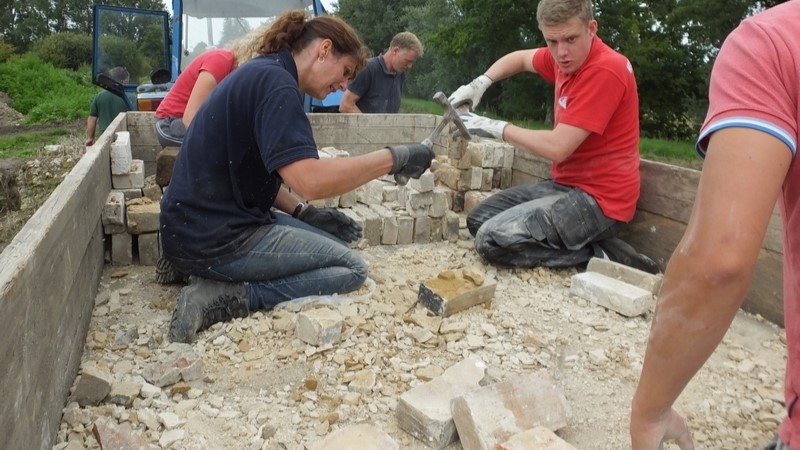
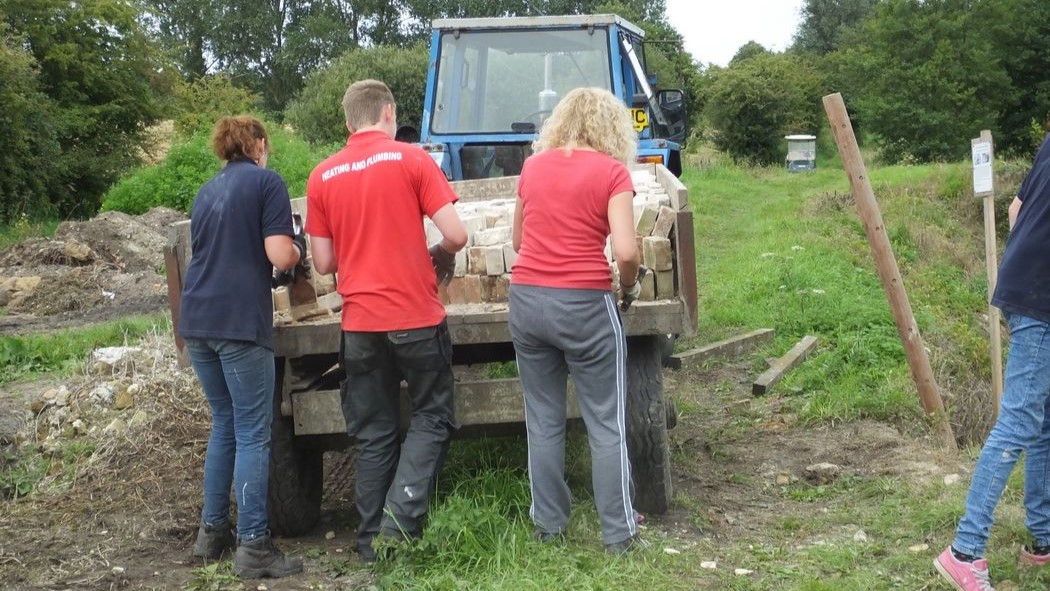
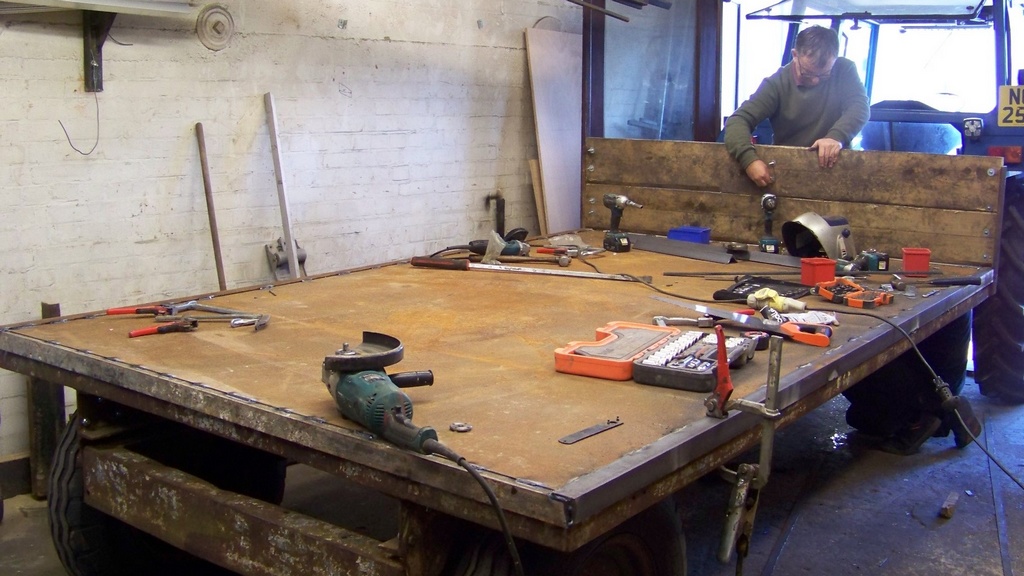
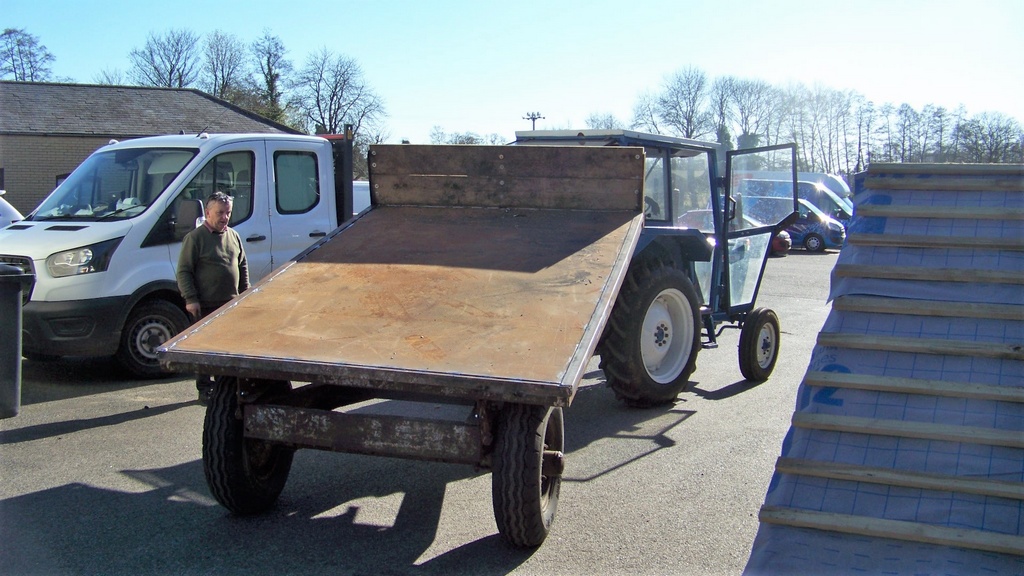
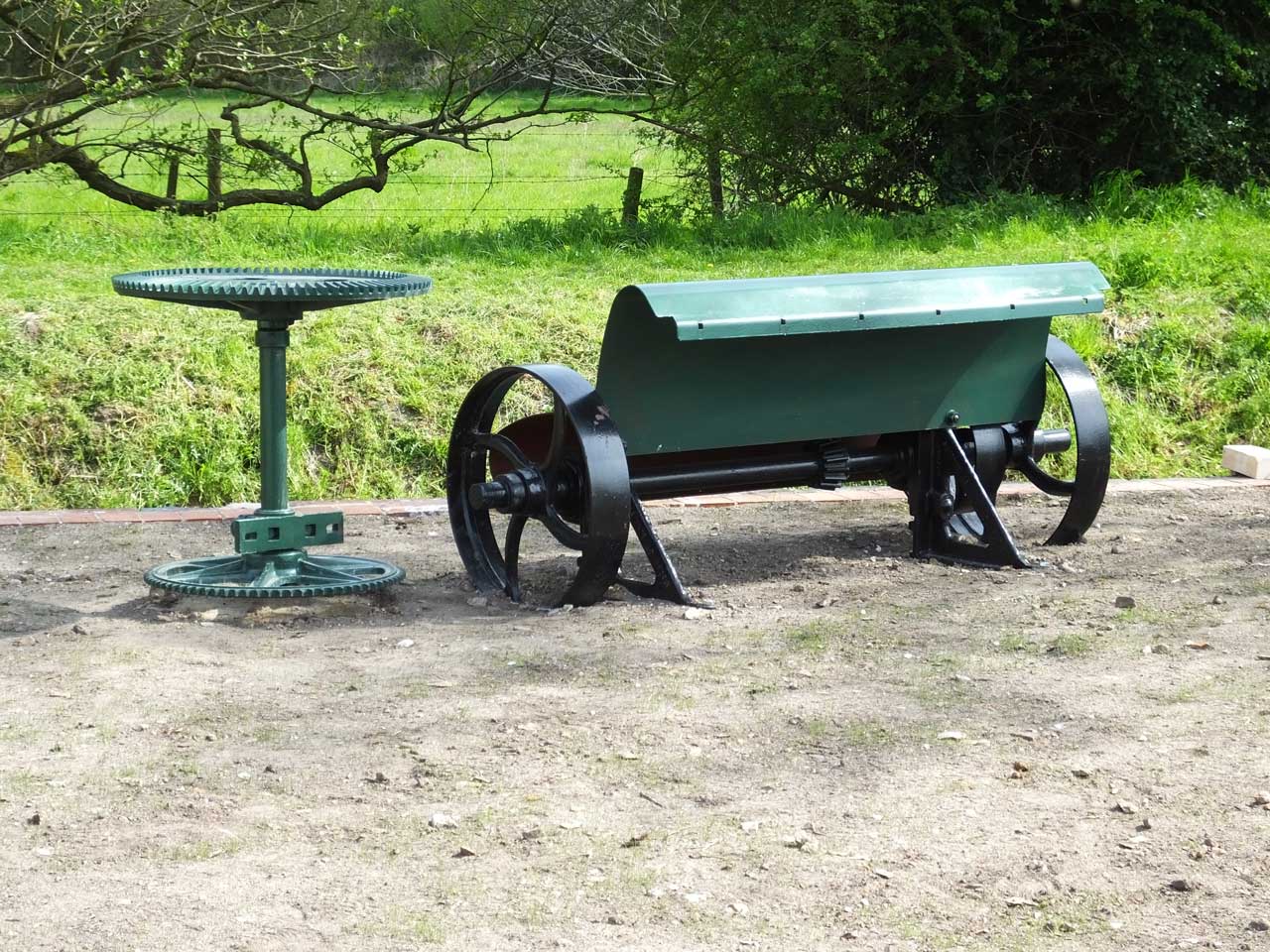
The large trailer has removeable sides and hydraulic tipping, its used with the tractor from The Maltings for transporting heavy items to and from the mill, mainly used for big projects. The shed was flatpacked and taken to the mill and pallets of slates were taken for the shed roof. The gate frame, bridge and walkway were taken to the mill on this trailer along with tools for fitting them. The restored elevator hopper, metal bench and table were also taken to the mill on it. Soil was taken to cover the blacksmith’s shop, and debris from making the wildflower meadow and from the fallen river wall was taken back to The Maltings and tipped out in the yard. This trailer was used in the early days for scaffolding, bricks and bags of sand for rebuilding the walls, and taking the new buckets for the water wheel to site for the 2015 HLF grant. This trailer was refurbished before taking the shed panels to site as the base was rotten.
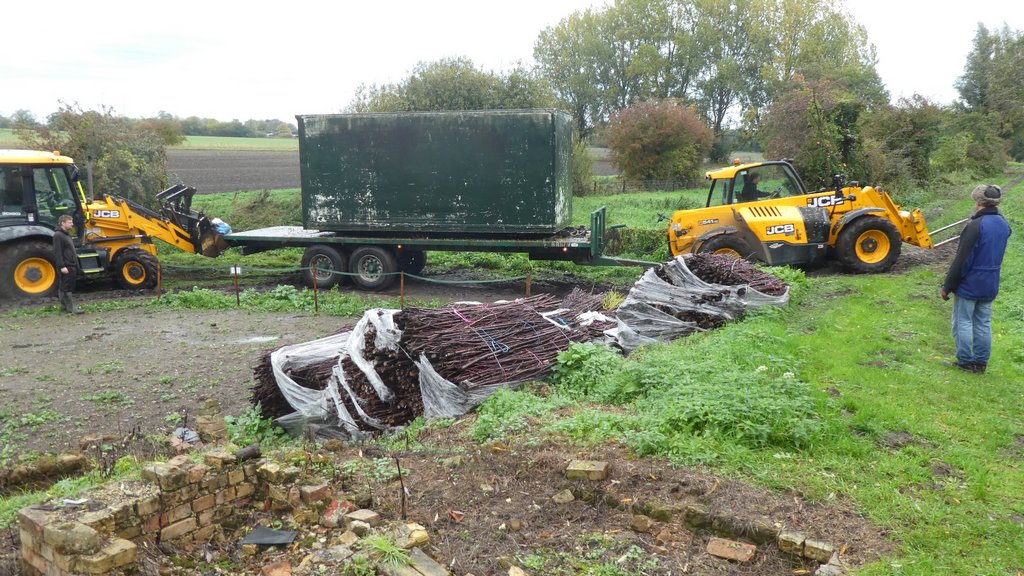
We borrowed a long farm trailer for moving the shipping container and railway wagon.
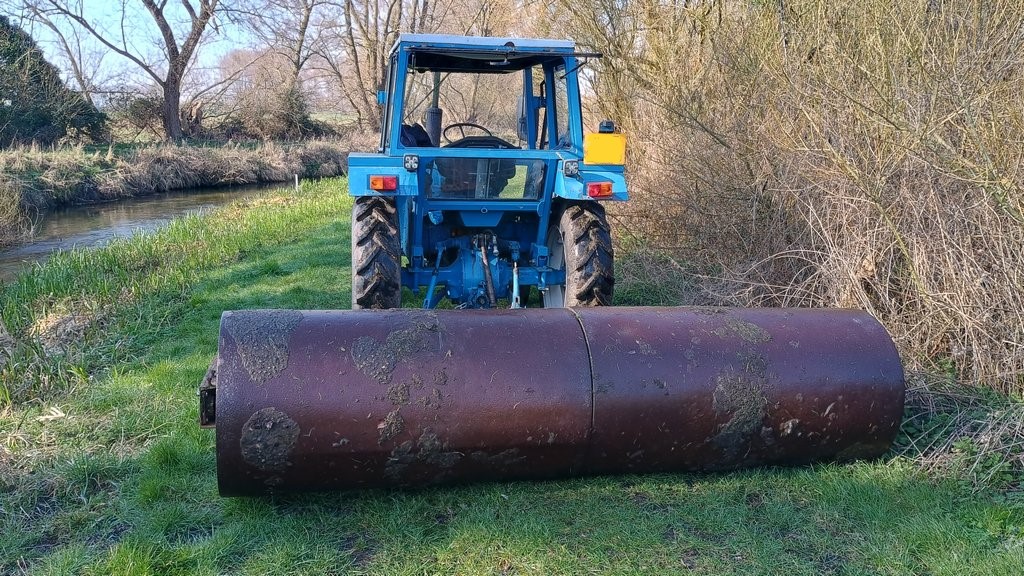
To see what towed accessories we have for our mower, see the wildflower maintenance section. We also have use of a large heavy roller for use with the big tractor.
Graham Bartlett Wildflower Meadow Green Grant Open Days