
Solitary Bee Box
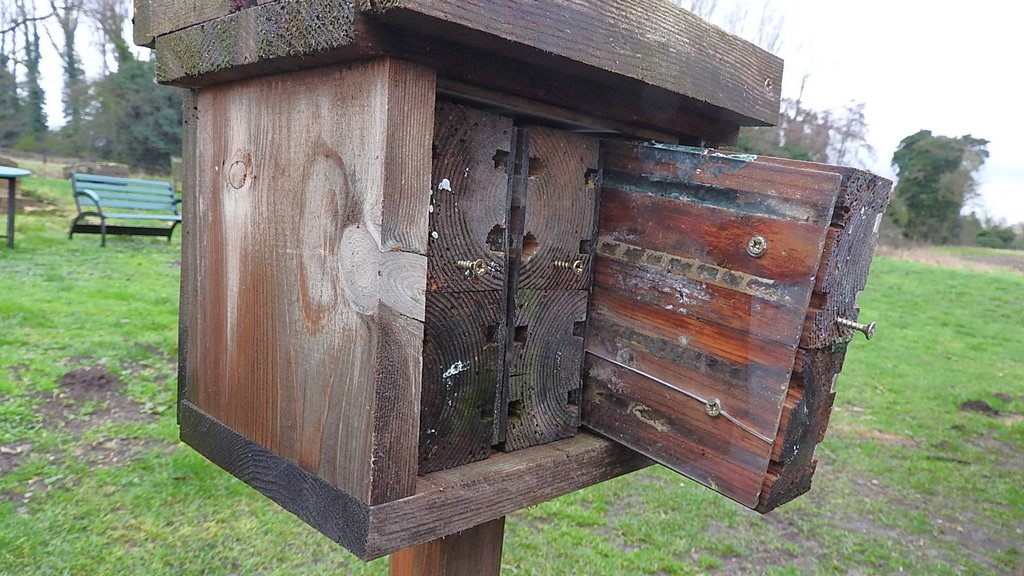
We made our solitary bee box in November 2024, it has Perspex covering slots in the wood so we can watch progress of the eggs and larvae. There is a mud tray on top which bees use to line the slots and seal between each egg cell, they put a final mud plug at the end of the slot.
We noticed the box was being used on 15/5/25 when we saw some slot ends sealed up, we pulled out the cores and saw the slots filled with eggs and pollen.
Female Solitary bees lay an egg with a supply of pollen and nectar in each cell for the larvae to feed on when it hatches. Bees seal each cell with a mud plug in between.
Male eggs are laid towards the front of the slot so they emerge first and are ready to mate the following year.
Female eggs hatch into larvae and eat the pollen, then hibernate for around 11 months in the nest through summer and winter. The following spring, the larvae pupate, turn into adult bees and emerge from their nest.
I made a similar box for my garden which was also partially used.
We will keep watch on the nest box at the mill and keep this page updated with progress.
In late 2025 we noticed the male eggs in the front part of the slots have hatched and left the box, female eggs were still in the back of the slots, but in April 2026 we noticed all the eggs were gone, so the females have hatched.
Graham Bartlett
Thank you for attending our open days, we would appreciate it if you would fill in our short feedback form to help us improve the visitor experience.
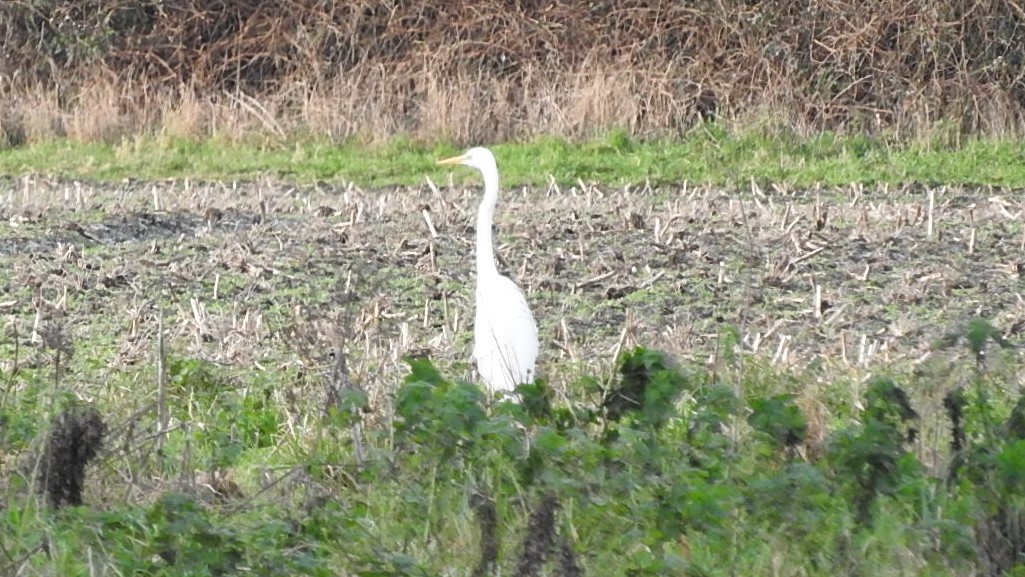
The Great White Egret is the same size as a Heron and has a yellow beak and black feet. See also Little Egret. Back to Wildlife


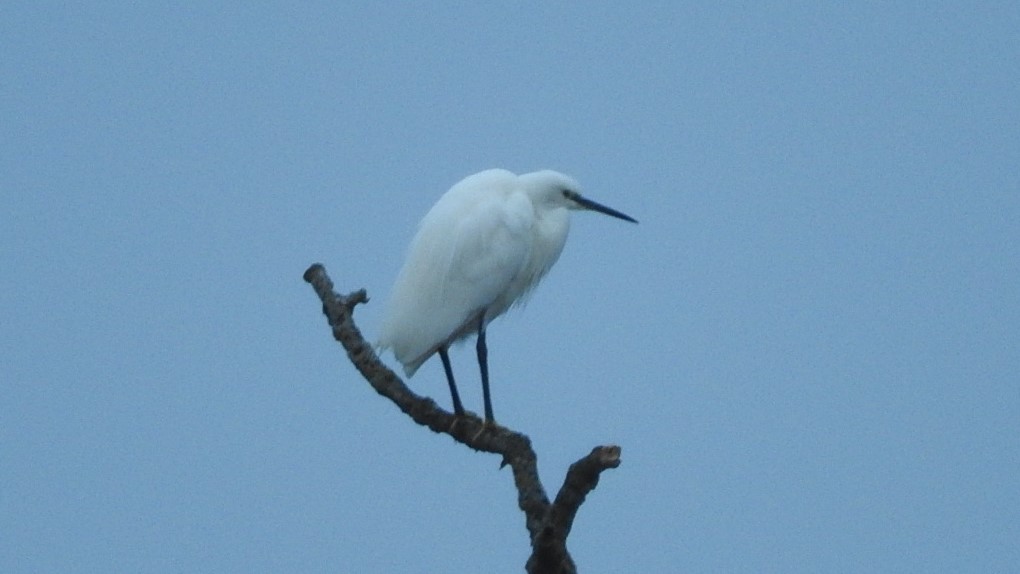
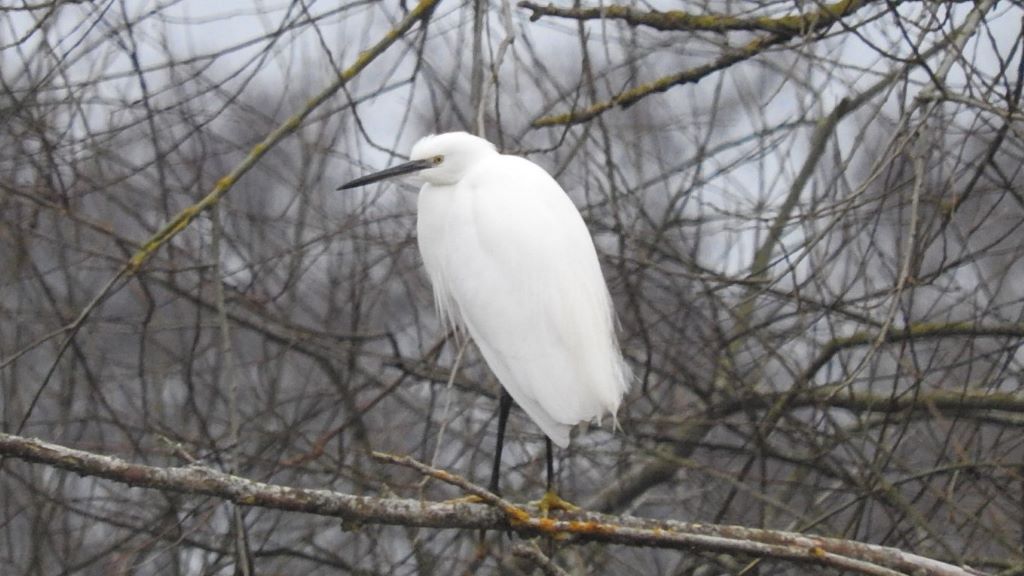
The Little Egret is white with a black beak and yellow feet, its smaller than the Great White Egret which is the size of a Heron. Back to Wildlife



James Skerry was baptised in May 1848 in West Bilney, and was one of at least seven children of farm labourer Humphrey Skerry (born in Grimston) and Mary (nee Eagle).
The family can be found in 1851 and 1861 living at Lodge Road Cottage, West Bilney.
By 1867 James had moved from West Bilney to Pentney as this was the year he married Mary Ann Dye.
In 1871 James aged 22 and Mary Ann aged 20 are living in Grays Buildings in Pentney along with their one year old son Charles and Mary Ann’s widowed mother, Rebecca Dye.
In 1881, still in Pentney, the family have grown with children Charles, Louise, Arthur and Ethel. James gives his occupation as agricultural labourer.
By 1891 James is a widower with two more mouths to feed – son William and daughter Dora aged 4. James’ wife Mary Ann had died the previous year aged 39 and is buried in Pentney churchyard.
In 1901, aged 52, James gives his occupation as machine minder at the bone mill. This is an interesting fact as it was believed the Bone Mill had stopped production not long after 1884 so it seems it continued for longer than originally thought. James’ daughter Ethel is living with him as his housekeeper at Gray’s cottages.
By 1911 the household consists of James plus daughter Ethel and her husband of two years, James Herbert Bland (born Gayton, known as Jack). The couple who had married at the end of 1908 have a one year old son Leslie. The two men are working as farm labourers. Jack Bland gave the original photo of the bone mill to David Turner for us to display and remembers collecting bricks from the mill after it was dismantled.
The 1921 census finds James Skerry still living in Pentney and still in the same cottage. He still lists his occupation as a labourer and his employer is a Miss Howlett but says he is out of work.
There is a separate listing on the 1921 census for his daughter Ethel and husband James Bland. They are in Pentney and now have three children – Leslie, Marjorie and Eric. James is working as a corn porter at the Maltings, his employer is Vynne and Everett.
In 1923 James Skerry and two friends are travelling in a horse and cart and are involved in an accident with a speeding car, where James is thrown out of the cart. He obviously was made of a strong constitution as he went on to celebrate his 86th birthday in 1932. He even gets a mention and his photo in the Lynn Advertiser where it mentions that he has lived in the same house for 68 years and can still ride a bike!
James Skerry died in 1936 at the Infirmary at Gayton and his funeral was very well attended at Pentney Church. See newspaper clipping.
In 1939 Ethel and James Bland are living in West Cottage, Pentney. Their son Eric is living with them working as a Bricklayer’s labourer.
Ethel passed away in 1962 and is buried in Pentney churchyard, husband James Bland died aged 94 in 1980.
Bone Mill Employees Bone Grinding & Boiling The Maltings